

In this article, we'll cover:
- What Is a Landfill?
- Why Are Landfills Bad for the Environment?
- What Pollution Do Landfills Create?
- What Resources Do Landfills Waste?
- How Do Landfills Impact Wildlife and Ecosystems?
- Why Does Reducing Landfill Waste Matter?
- How Can Compostable Packaging Help Reduce Landfill Waste?
- Why Are Businesses Moving Toward Sustainable Packaging?
- Conclusion
- FAQS
Every day, millions of pounds of waste end up in landfills across the United States. While landfills are designed to contain trash, they create significant environmental problems that impact the air we breathe, the water we drink, and the long-term health of our planet.
As businesses and consumers become more aware of sustainability, understanding the environmental impact of landfills is more important than ever. From greenhouse gas emissions to overflowing waste streams, landfills contribute to many of the environmental challenges communities face today.
At Good Start Packaging, we believe education is a critical part of creating a more sustainable future. By understanding why landfills are harmful and how compostable packaging can help reduce waste, businesses can make smarter decisions that support both their customers and the environment.
What Is a Landfill?
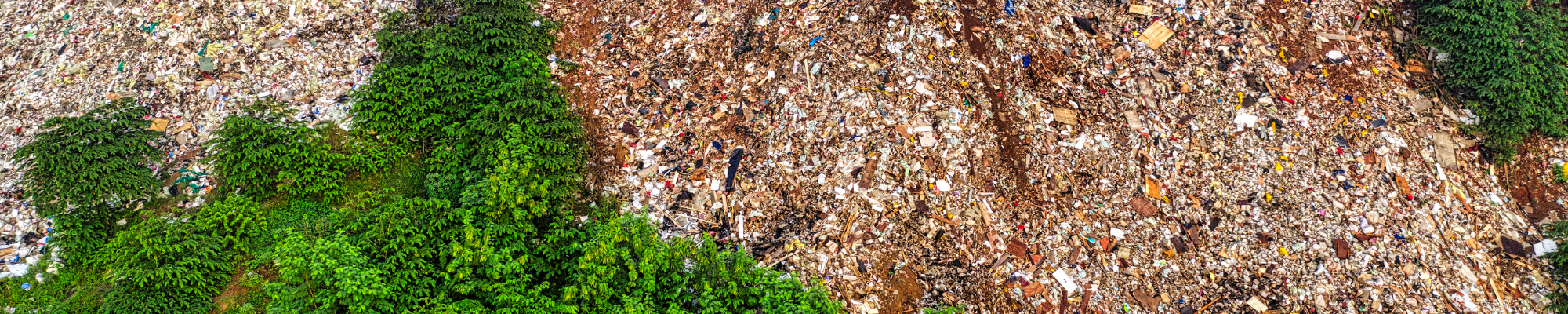
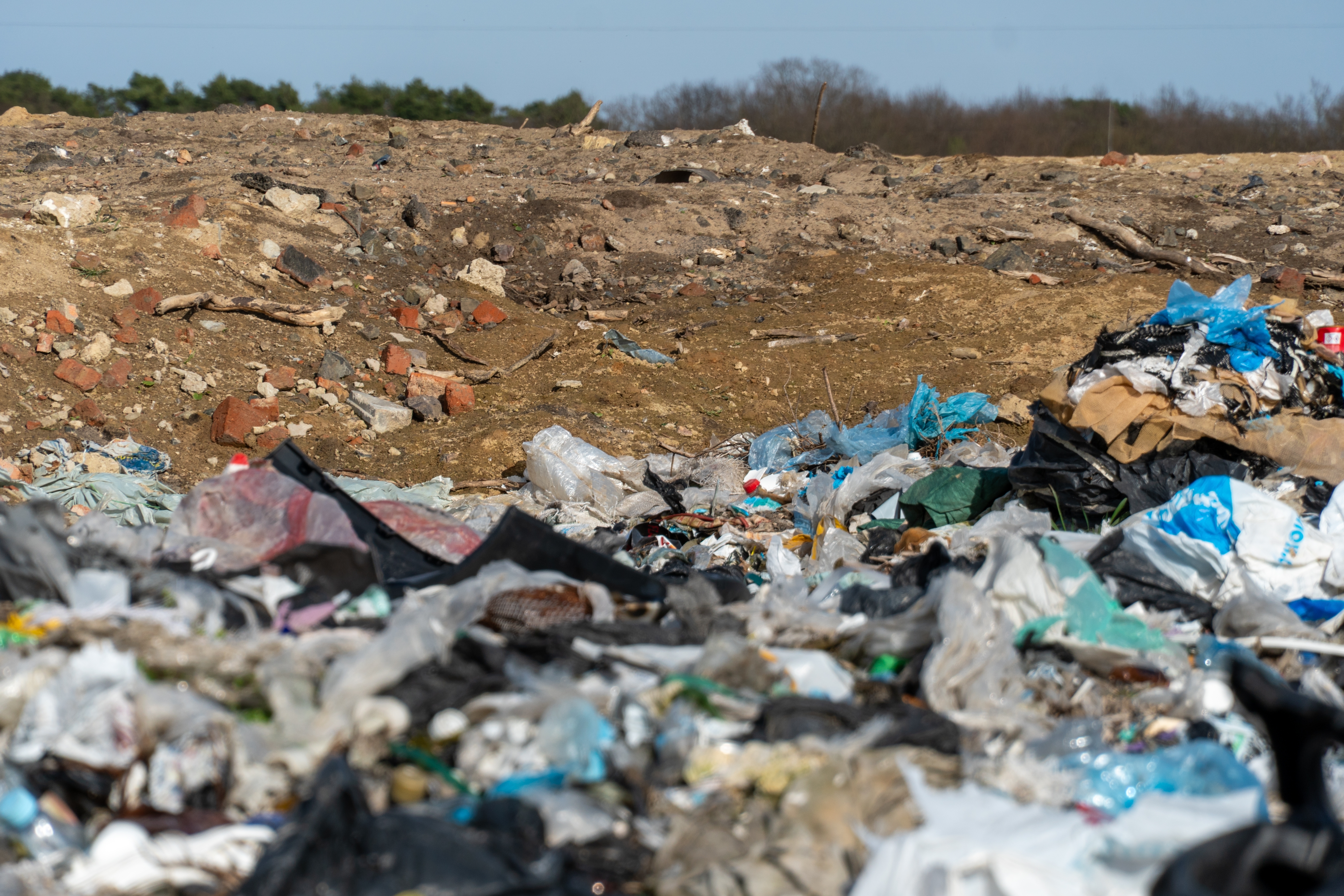
A landfill is a designated site where waste is collected, compacted, and buried. Modern landfills are engineered to reduce contamination and manage waste more effectively than open dumps, but they still pose serious environmental concerns.
Most landfills contain a mix of materials, including:
- Food waste
- Plastic packaging
- Paper products
- Construction debris
- Yard waste
- Non-recyclable materials
Because much of this waste takes years, or even centuries, to break down, landfills continue to grow rapidly across the country.
Why Are Landfills Bad for the Environment?
Landfills negatively impact the environment in several major ways. They contribute to greenhouse gas emissions, pollute nearby ecosystems, consume valuable land, and waste reusable resources.
Landfills Produce Methane Gas
One of the biggest environmental concerns surrounding landfills is methane production.
When organic waste like food scraps, compostable materials, and paper products decompose without oxygen inside a landfill, they release methane gas. Methane is a powerful greenhouse gas that traps significantly more heat than carbon dioxide over a short-term period.
Linda Norris-Waldt, Executive Director for the U.S. Composting Council, mentioned, "Diverting useful organic and food waste from disposal (up to 40% of waste in most communities) can help avoid the creation of landfill methane, one of the most toxic greenhouse gases. And, when compost is used, it performs as a carbon sink to trap carbon by transforming stabilized organic matter (compost) into a component of soil."
According to environmental agencies, landfills are one of the largest sources of methane emissions in the United States.
Methane Contributes to Climate Change
Methane emissions accelerate global warming and climate change. As landfill waste continues to grow, so do the greenhouse gases released into the atmosphere.
These emissions contribute to:
- Rising global temperatures
- More severe weather events
- Poor air quality
- Increased environmental instability
Reducing landfill waste is one of the most impactful ways businesses and consumers can help lower greenhouse gas emissions.
What Pollution Do Landfills Create?
Another major issue with landfills is leachate, a contaminated liquid created when rainwater filters through waste materials.
What Is Leachate?
Leachate can contain harmful substances such as:
- Heavy metals
- Chemicals
- Microplastics
- Bacteria and pathogens
If landfill liners fail or leak over time, this contaminated liquid can enter nearby soil and groundwater systems.
Long-Term Environmental Risks
Water contamination from landfills can impact:
- Local ecosystems
- Drinking water supplies
- Wildlife habitats
- Agricultural land
Even highly engineered landfills require ongoing monitoring because environmental risks can persist for decades after a landfill closes.

What Resources Do Landfills Waste?
Many items sent to landfills could be recycled, composted, or reused instead.
Food Waste Is a Major Problem
Food waste makes up a significant portion of landfill material. When food ends up in landfills instead of composting systems, valuable organic nutrients are lost while methane emissions increase.
Composting food scraps and certified compostable packaging helps divert organic material away from landfills and supports healthier soil systems.
Single-Use Packaging Adds to Landfill Overflow
Traditional plastic packaging is one of the biggest contributors to landfill growth because many plastics are difficult to recycle and can remain in landfills for hundreds of years.
Businesses that switch to compostable foodservice packaging can help reduce long-term waste accumulation while supporting sustainability goals.
How Do Landfills Impact Wildlife and Ecosystems?
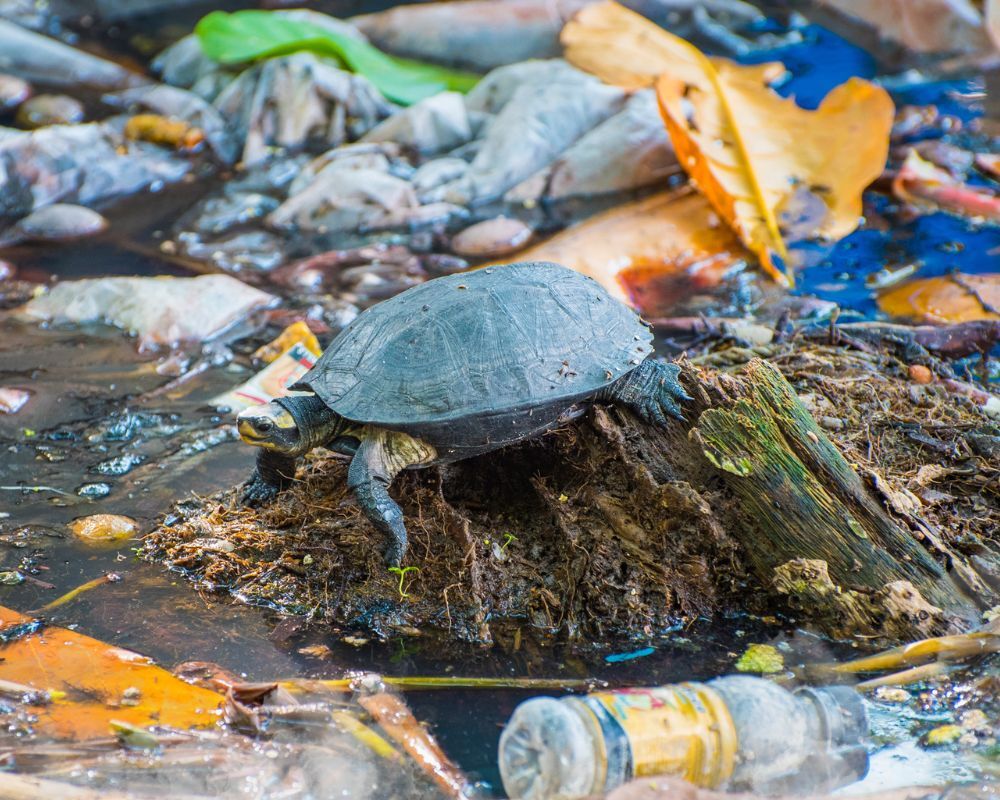
Landfills can negatively affect local wildlife and natural ecosystems.
Plastic pollution from landfill overflow can also enter waterways and oceans, impacting marine ecosystems and contributing to long-term environmental damage.
Why Does Reducing Landfill Waste Matter?
Reducing landfill waste supports a healthier and more sustainable future.
When businesses and consumers divert waste through composting, recycling, and sustainable packaging choices, they can help:
- Reduce greenhouse gas emissions
- Minimize pollution
- Conserve natural resources
- Support circular waste systems
- Lower overall environmental impact
Small operational changes can create meaningful long-term environmental benefits.
How Can Compostable Packaging Help Reduce Landfill Waste?
Compostable packaging plays an important role in waste diversion efforts.
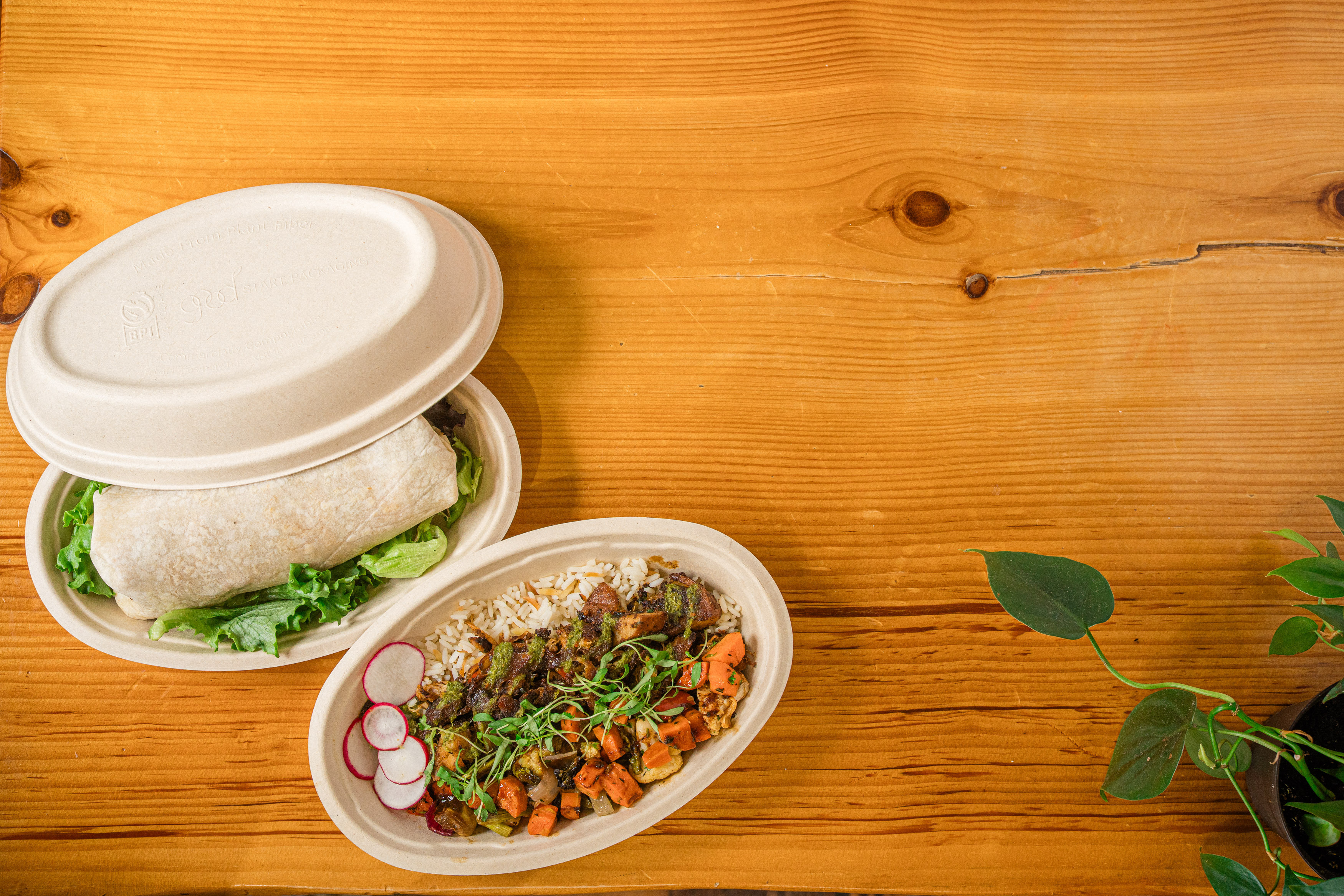
Unlike traditional plastics that remain in landfills for decades, certified compostable products are designed to break down in commercial composting environments.
Benefits of Compostable Packaging
Businesses that use compostable packaging may help:
- Divert food waste from landfills
- Reduce methane emissions
- Support composting programs
- Improve sustainability initiatives
- Meet customer demand for eco-friendly packaging
When paired with proper composting infrastructure, compostable packaging can become part of a more circular waste solution.
Why Are Businesses Moving Toward Sustainable Packaging?
Consumers are increasingly paying attention to how businesses manage waste and packaging.
Restaurants, cafés, universities, corporate offices, and foodservice operators are adopting sustainable packaging solutions to reduce environmental impact and align with customer expectations.
At Good Start Packaging, we work with businesses looking for compostable packaging options that balance functionality, durability, and sustainability.
Our goal is to help organizations reduce landfill waste without compromising the customer experience.
Conclusion
Landfills continue to create serious environmental challenges through methane emissions, pollution, and long-term waste accumulation. While waste disposal systems are necessary, reducing the amount of material sent to landfills is critical for building a more sustainable future.
Businesses can play an important role by adopting compostable packaging, supporting composting programs, and educating consumers about responsible waste management.
At Good Start Packaging, we believe sustainable packaging solutions can help businesses reduce their environmental footprint while supporting a cleaner future for generations to come.
FAQ’s
Frequently Asked Questions About Landfills
Why do landfills produce methane?
Landfills produce methane because organic waste breaks down without oxygen in an anaerobic environment. This decomposition process releases methane gas into the atmosphere.
How long does trash stay in a landfill?
Some materials break down relatively quickly, while others can remain in landfills for hundreds of years. Plastics are among the longest-lasting materials.
Are landfills worse than composting?
In many cases, composting is considered a more sustainable waste solution for organic materials because it diverts waste from landfills and reduces methane emissions.
Can compostable packaging go to a landfill?
While compostable packaging is designed for composting systems, sending it to a landfill limits its environmental benefits because landfill conditions prevent proper decomposition.