

In this article, we'll cover:
- What Is a Landfill, Really?
- Why Do Landfills Slow Down Decomposition?
- What Happens to Waste Instead?
- How Long Does Trash Last?
- Do Biodegradable Products Break Down in Landfills?
- Landfills vs. Composting: What’s the Difference?
- Why Does Composting Infrastructure Matter?
- How Can We Rethink Waste?
- FAQ’s
- Conclusion
- FAQS
Most people assume that once trash ends up in a landfill, it naturally breaks down over time. After all, organic materials decompose in nature all the time, so why wouldn’t they in a landfill?
The truth is more complicated.
Modern landfills are not designed to help materials decompose quickly. In fact, they’re engineered to do almost the opposite: contain waste, limit environmental contamination, and slow the breakdown process as much as possible.
That means food scraps, paper products, and even some “biodegradable” materials can remain trapped for years, or even decades, with very little decomposition happening at all.
Understanding how landfill decomposition actually works is important for businesses and consumers trying to make more sustainable choices. It also explains why composting systems play such a critical role in reducing waste.
What Is a Landfill, Really?
A modern sanitary landfill is a carefully engineered waste containment system designed to isolate trash from the surrounding environment.
Today’s landfills are built with:
- Protective liners made from clay or plastic
- Leachate collection systems
- Gas collection infrastructure
- Daily layers of compacted waste and soil
The goal is to reduce contamination of nearby soil and groundwater while safely storing large amounts of waste.
What many people don’t realize is that landfills are not designed to function like natural ecosystems. They are highly controlled environments intended to minimize exposure to oxygen, moisture, and outside elements, all things that normally help materials break down.
In other words, landfills prioritize containment over decomposition.
So, Do Things Actually Decompose in Landfills?
Yes, but often very slowly, incompletely, and under unhealthy conditions.
Some materials do begin to break down over time, especially organic waste like food scraps or paper. However, because landfills lack the ideal conditions for natural decomposition, the process is dramatically slowed.
Instead of breaking down efficiently the way materials would in compost or healthy soil, waste in landfills often becomes partially preserved.
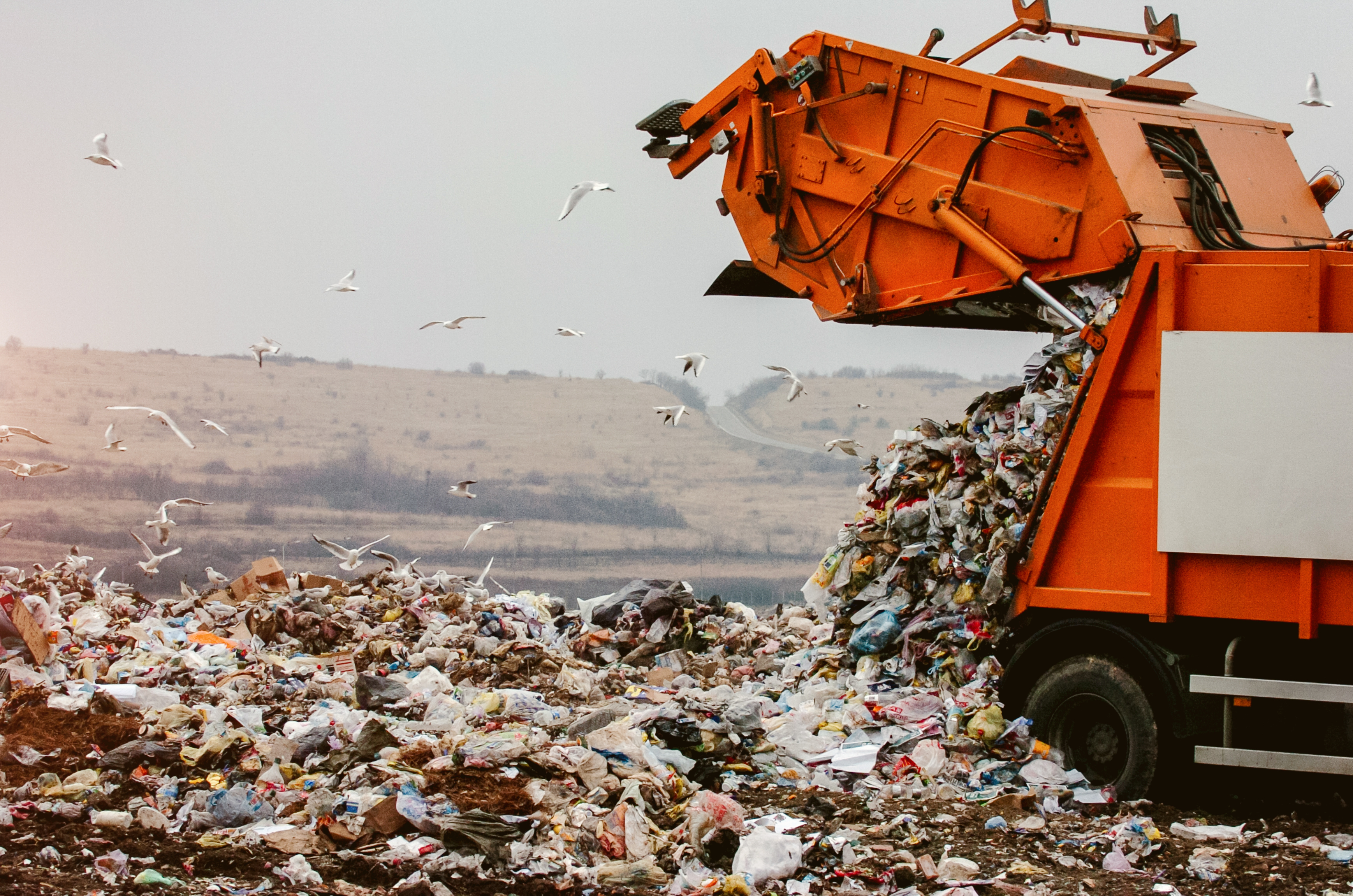
This is why researchers and landfill operators have discovered recognizable food, newspapers, and organic materials decades after they were buried.
Why Do Landfills Slow Down Decomposition?
Several factors limit decomposition inside a landfill.
Lack of Oxygen
Healthy decomposition typically requires oxygen. In compost systems, oxygen supports aerobic microorganisms that efficiently break down organic matter.
Landfills, however, are mostly anaerobic environments, meaning they contain very little oxygen.
Without oxygen, decomposition slows significantly and produces methane gas instead of nutrient-rich compost.
Methane is a powerful greenhouse gas that contributes to climate change.
Compacted Waste
Trash in landfills is tightly compressed to maximize available space.
While this helps landfills store more waste, it also reduces airflow between materials, limiting microbial activity and slowing decomposition even further.
Limited Moisture and Natural Conditions
In nature, decomposition benefits from:
- Rainwater
- Sunlight
- Temperature fluctuations
- Diverse microbial ecosystems
Landfills isolate waste from many of these natural elements.
Some landfills are actually designed to keep materials relatively dry to reduce leachate production, which can further slow breakdown.
What Happens to Waste Instead?
Rather than fully decomposing, many materials in landfills experience partial decomposition or preservation.
This can lead to several environmental challenges.
Methane Production
Organic waste trapped without oxygen generates methane as it decomposes anaerobically.
Landfills are one of the largest human-related sources of methane emissions worldwide.
Many modern landfills capture some of this gas for energy production, but methane leakage still remains a concern.
Leachate Formation
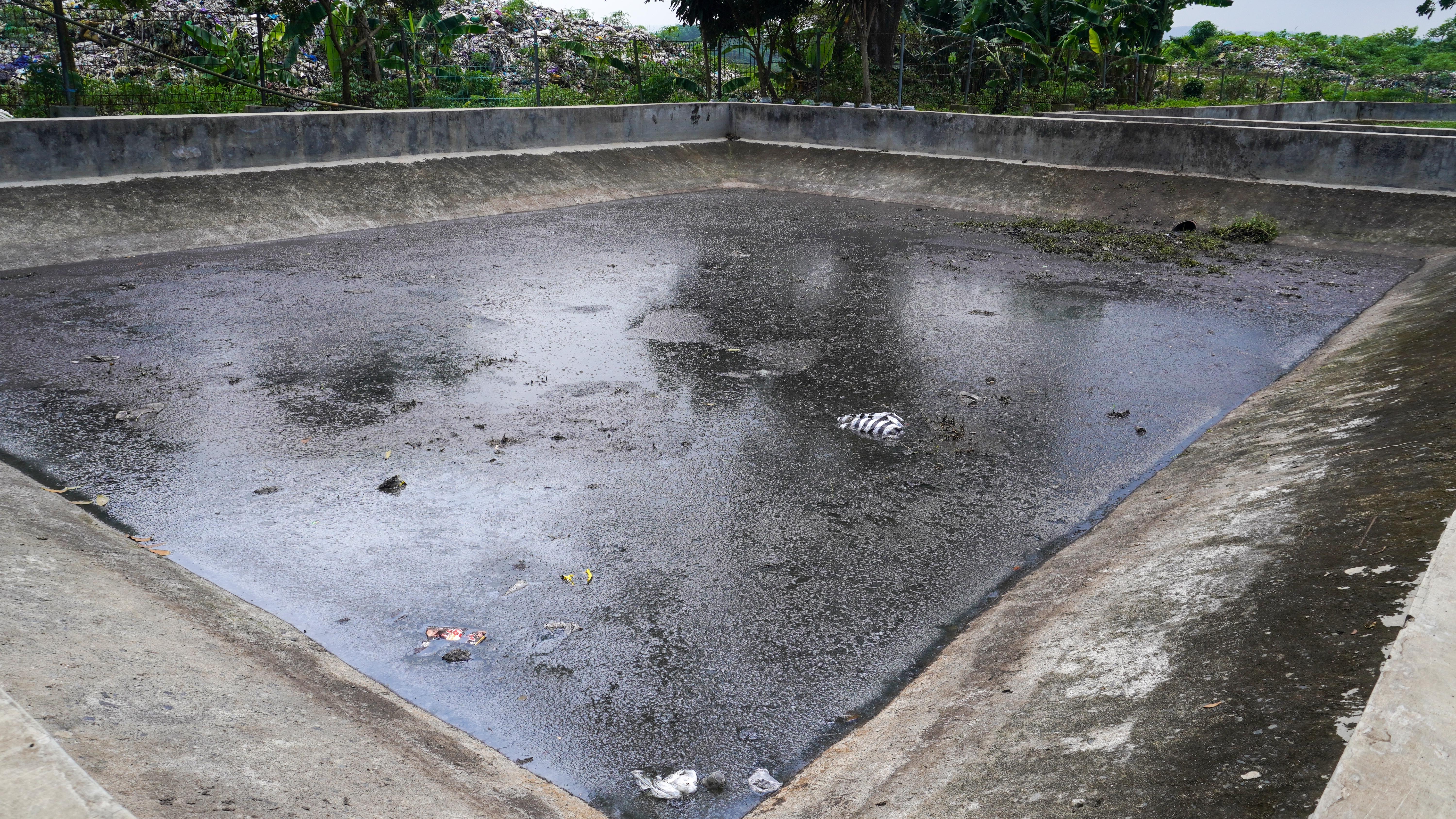
As waste slowly breaks down, liquids can move through the landfill and collect contaminants.
This polluted liquid, called leachate, must be carefully managed to prevent groundwater contamination.
“Mummified” Waste
One of the most surprising realities of landfill decomposition is preservation.
Archaeological landfill studies have uncovered decades-old food waste that still appears recognizable because the conditions inside the landfill prevented proper decomposition.
Landfill Decomposition Rates: How Long Does Trash Last?
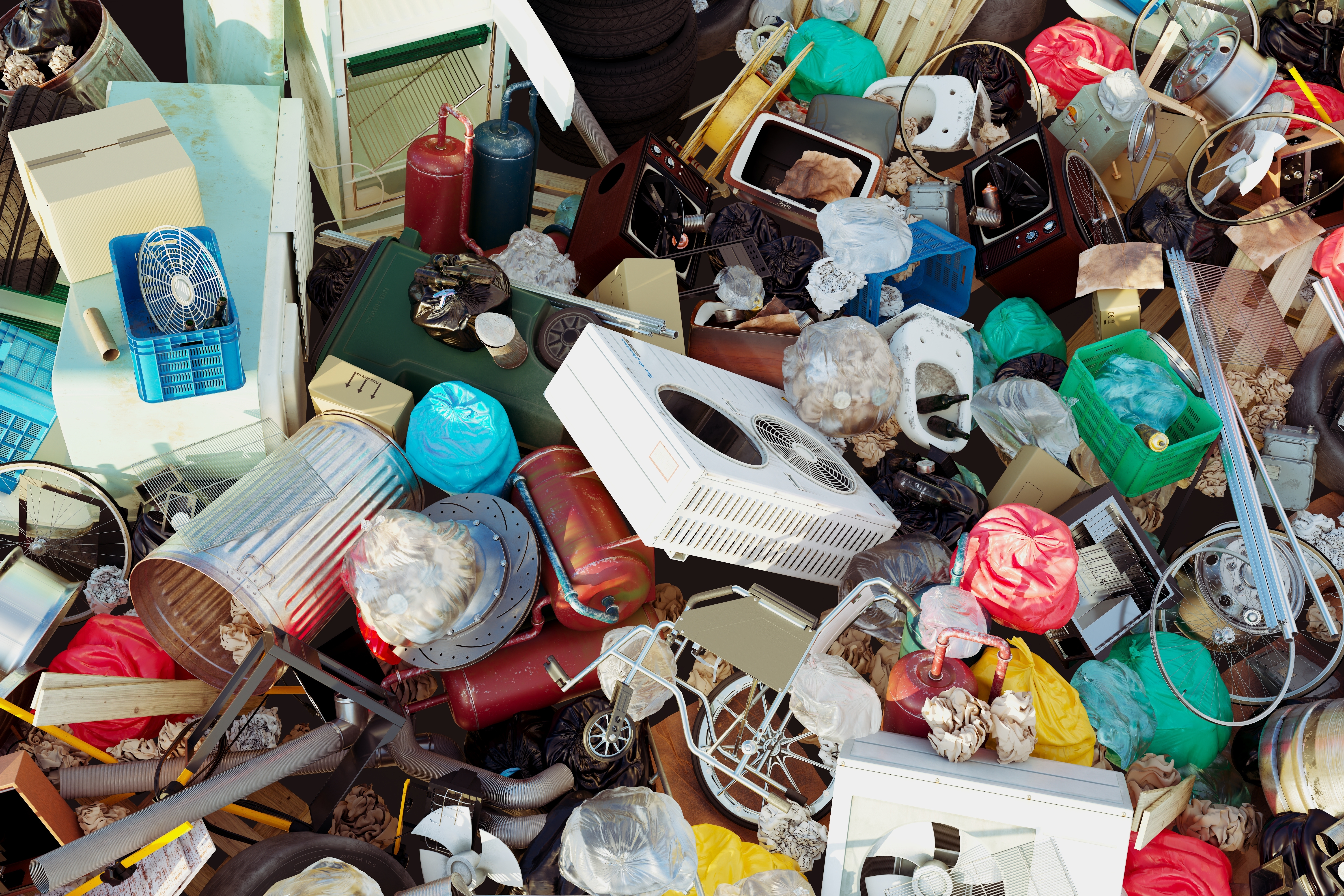
There is no exact timeline for landfill decomposition because conditions vary widely. However, many materials last far longer than people expect.
| Material | Estimated Decomposition Time in a Landfill |
| Food Scraps | Weeks to years |
| Paper | Months to decades |
| Cardboard | Years |
| Cotton Fabric | Months to years |
| Aluminum Cans | 80-200 years |
| Plastic | 400+ years |
| Styrofoam | Potentially never decomposes |
It’s also important to understand that decomposition in a landfill does not necessarily mean complete breakdown into harmless natural materials.
Some items simply fragment into smaller pieces over time.
Do Biodegradable Products Break Down in Landfills?
Not always.
This is one of the biggest misconceptions surrounding sustainable products.
“Biodegradable” simply means a material can break down under the right conditions. It does not guarantee that the material will decompose efficiently inside a landfill.
Many biodegradable and compostable products require:
- Oxygen
- Heat
- Moisture
- Active microbial environments
Those conditions are commonly found in commercial composting facilities—not landfills.
As a result, even compostable packaging may break down very slowly if sent to the landfill instead of a composting system.
Landfills vs. Composting: What’s the Difference?
The difference between landfill disposal and composting is significant.
| Landfills | Composting |
| Low oxygen environment | Oxygen-rich environment |
| Slow, incomplete decomposition | Efficient natural decomposition |
| Produces methane | Produces nutrient-rich compost |
| Designed for containment | Designed for breakdown |
| Stores waste long-term | Returns nutrients to soil |
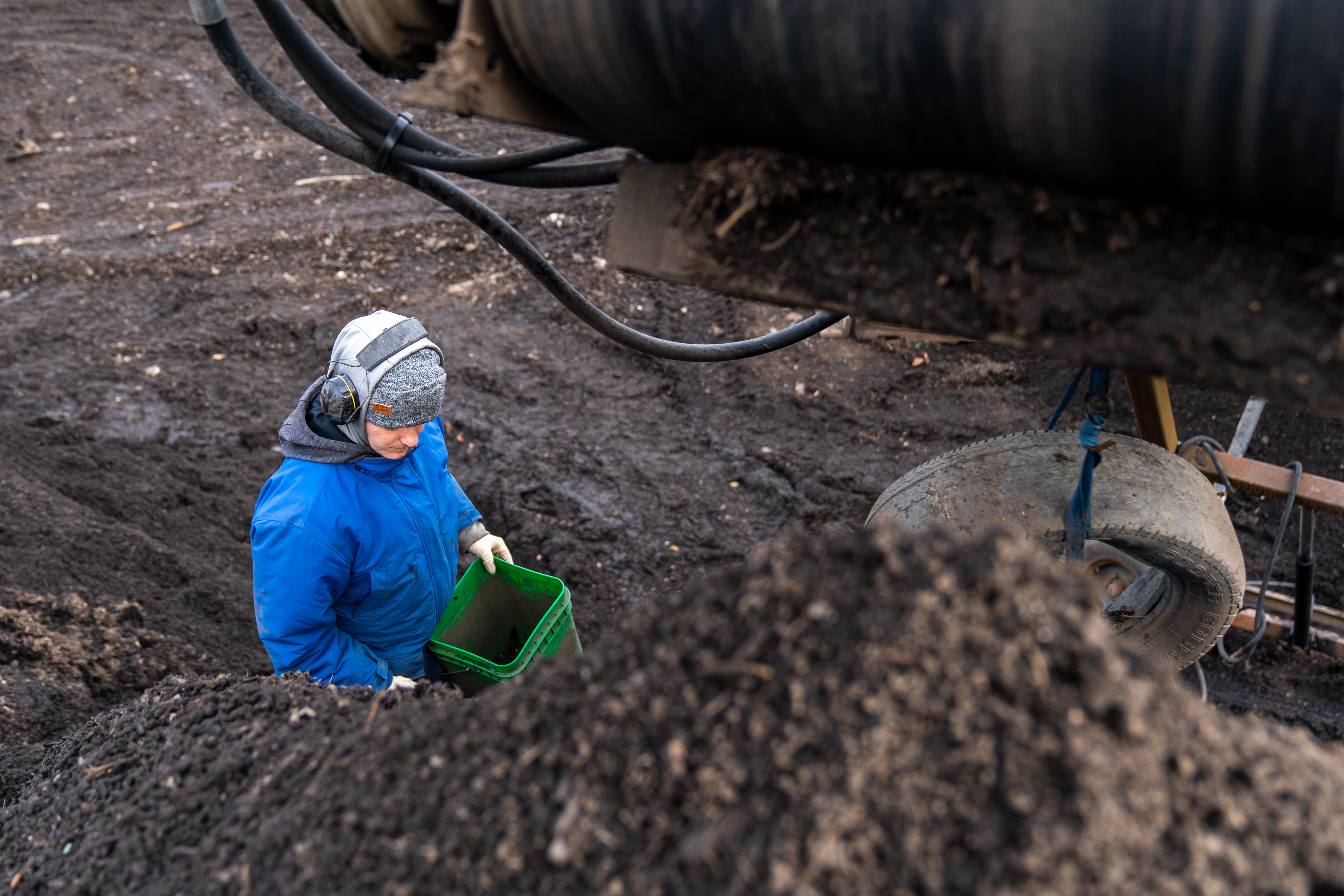
Composting works by creating the ideal conditions for microorganisms to rapidly and efficiently break down organic materials.
Instead of generating methane, composting transforms food scraps and certified compostable products into valuable soil amendments.
Why Does Composting Infrastructure Matter?
Compostable packaging is designed with a different end-of-life system in mind.
Many compostable products are intended for industrial composting facilities, where heat, airflow, and microbial activity are carefully controlled to support efficient decomposition.
Without access to composting infrastructure, even well-designed compostable products may end up in landfills where decomposition is much slower.
"Composting infrastructure plays a vital role in helping the state meet our solid waste disposal reduction goals, established in statute, under RSA 149-M:2. Food waste is very heavy and makes up a huge portion of our waste stream. If more people and businesses have access to divert their food waste, then less waste will need to be sent for disposal in our landfills," states Paige Wilson, M.S. Waste Reduction and Diversion Planner for the Solid Waste Management Bureau at the New Hampshire Department of Environmental Services.
That’s why education, compost access, and proper waste sorting are all important parts of reducing landfill waste.
How Can We Rethink Waste?
The truth is that landfills were never meant to mimic nature.
They are engineered storage systems designed to isolate waste, not help it return safely to the environment.
Understanding this helps explain why reducing waste, composting food scraps, and choosing responsibly designed packaging can all play an important role in building more circular waste systems.
At Good Start Packaging, we believe packaging should be designed for the systems intended to handle it. Compostable materials work best when paired with proper composting infrastructure and informed disposal practices.
As more businesses and communities invest in composting programs, diverting organic waste from landfills can help reduce methane emissions and support healthier waste management systems overall.
Conclusion
While some materials do slowly break down in landfills, these systems are designed primarily for waste containment, not healthy decomposition. Without oxygen and the right environmental conditions, many organic, biodegradable, and compostable materials can remain trapped for years while generating harmful methane emissions. Understanding the difference between landfills and composting systems is an important step toward reducing waste and creating more sustainable disposal solutions for the future.
FAQ’s
Frequently Asked Questions
Do things decompose in landfills at all?
Yes, some materials decompose in landfills, but the process is often very slow due to limited oxygen, moisture, and microbial activity.
Why does trash decompose so slowly in landfills?
Landfills are tightly compacted and mostly anaerobic, meaning they lack the oxygen-rich conditions needed for efficient natural decomposition.
Do biodegradable materials break down in landfills?
Not necessarily. Many biodegradable materials require specific environmental conditions that landfills do not provide.
What happens to food waste in landfills?
Food waste decomposes anaerobically in landfills, producing methane gas instead of nutrient-rich compost.
Is composting better than landfilling organic waste?
In most cases, yes. Composting supports faster, oxygen-rich decomposition that creates usable compost instead of methane emissions.
How long does plastic last in a landfill?
Many plastics can remain in landfills for hundreds of years, with some materials potentially never fully decomposing.