

In this article, we'll cover:
- What is a Sanitary Landfill?
- Open Dumps vs. Modern Landfills: What Changed and Why It Matters
- How Do Sanitary Landfills Work?
- How Are Sanitary Landfills Designed to Protect the Environment?
- What Types of Waste Go Into a Sanitary Landfill?
- What Are the Environmental Impacts of Sanitary Landfills?
- What Are The Limitations of Sanitary Landfills?
- What Is The Role of Compostable Packaging in Landfill Waste?
- Conclusion
A sanitary landfill is the most common method used today to manage solid waste in a controlled and regulated way. While it represents a significant improvement over open dumping, it is not a perfect solution. Understanding how sanitary landfills work, and their limitations, helps businesses and consumers make more informed decisions about waste, packaging, and sustainability.
What is a Sanitary Landfill?
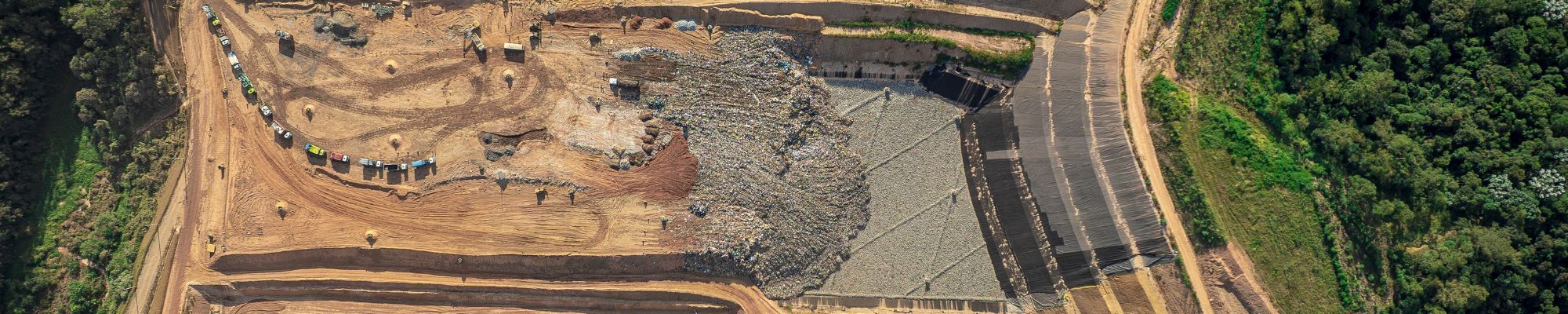
A sanitary landfill is a carefully engineered site designed to isolate waste from the surrounding environment. Unlike older open dumps, sanitary landfills are built with protective systems that minimize risks to soil, air, and water.
The term “sanitary” refers to the use of modern engineering practices, including liners, leachate collection systems, and daily waste coverage. These features help control odors, reduce pests, and limit environmental contamination.
Sanitary landfills are regulated at the federal and state levels, with strict requirements for design, operation, and long-term monitoring. While they are considered the safest form of landfill disposal available today, they are still intended to be part of a broader waste management system, not the end solution.
Open Dumps vs. Modern Landfills: What Changed and Why It Matters
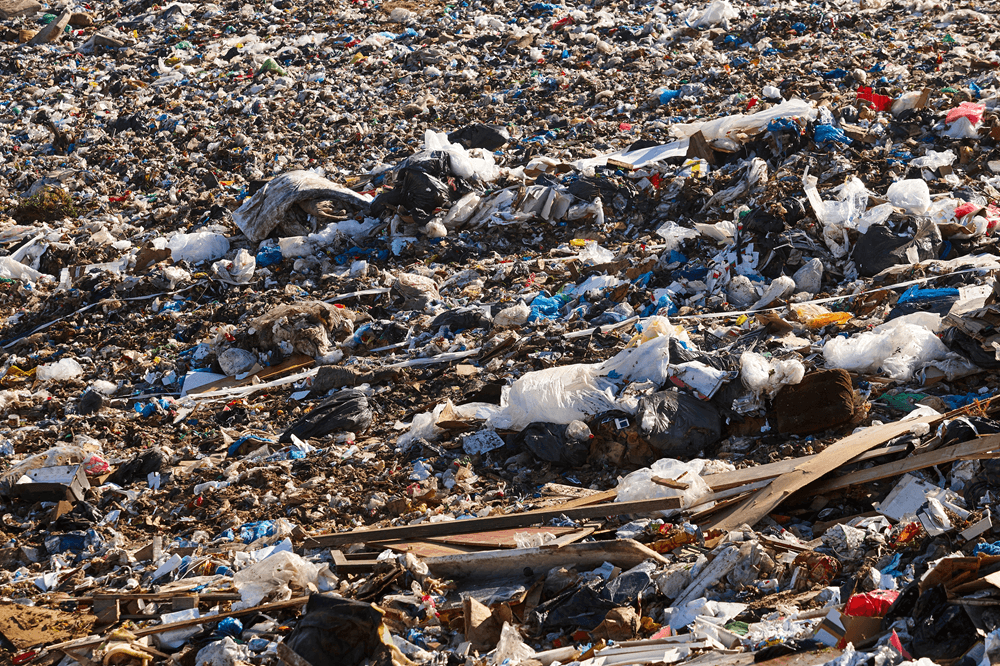
Before modern waste systems, many communities relied on open dumps, essentially places where trash was left exposed on the ground with little to no environmental protection.
Waste wasn’t contained, which meant harmful substances could seep into soil and groundwater, and trash was often burned or left to decay in the open, releasing pollutants into the air. These sites created serious health and environmental risks, from contaminated drinking water to uncontrolled pests and fires.
Modern “sanitary” landfills were developed in response, bringing structure, regulation, and environmental safeguards to a system that once had none.
How Do Sanitary Landfills Work?
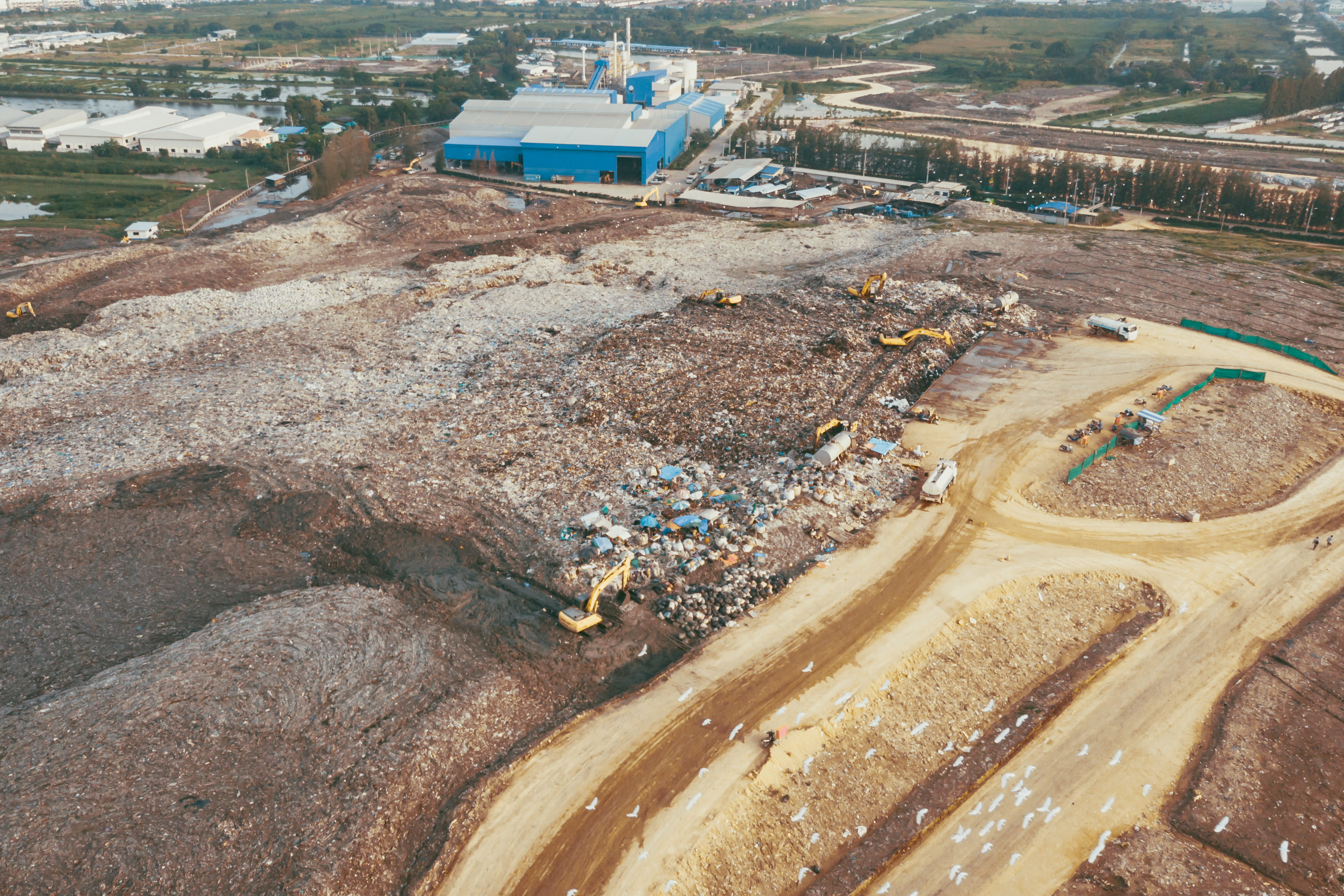
The process begins when waste is collected and transported to a landfill facility. Upon arrival, it is weighed, inspected, and directed to an active disposal area.
Waste is then spread in thin layers and compacted using heavy machinery. This compaction reduces the volume of waste and helps stabilize the landfill structure. At the end of each day, a layer of soil or alternative cover material is applied to contain odors, deter pests, and prevent debris from blowing away.
Over time, the landfill is built up in layers, forming what is known as a “cell.” Once a section is full, it is sealed and monitored for environmental impact.
What Happens to Waste After It’s Buried?
After burial, waste begins to break down in an oxygen-poor (anaerobic) environment. This process is slow and can take decades or even centuries, especially for materials like plastics.
As organic waste decomposes, it produces methane, a potent greenhouse gas. Many modern landfills capture methane, and either flare it or convert it into energy. However, not all methane is captured, and emissions remain a major environmental concern.
How Are Sanitary Landfills Designed to Protect the Environment?
Sanitary landfills are built with multiple layers of protection to reduce environmental risks. At the base of the landfill, a liner system, typically made of compacted clay and synthetic plastic, prevents waste from coming into direct contact with the soil.
Above this liner, a leachate collection system captures liquid that forms as waste breaks down and rainwater filters through the landfill. This liquid, known as leachate, can contain harmful substances and must be treated before disposal.
Gas collection systems are also installed to manage methane and other gases produced during decomposition. Additionally, stormwater controls help prevent excess water from entering the landfill and increasing leachate production.
Why Liners and Leachate Systems Matter
Without these systems, contaminants could seep into groundwater or nearby ecosystems. Even with safeguards in place, landfill systems require ongoing maintenance and monitoring to ensure they continue functioning as intended over time.
What Types of Waste Go Into a Sanitary Landfill?
Sanitary landfills are designed to handle municipal solid waste (MSW), the everyday trash generated by homes, businesses, and institutions.
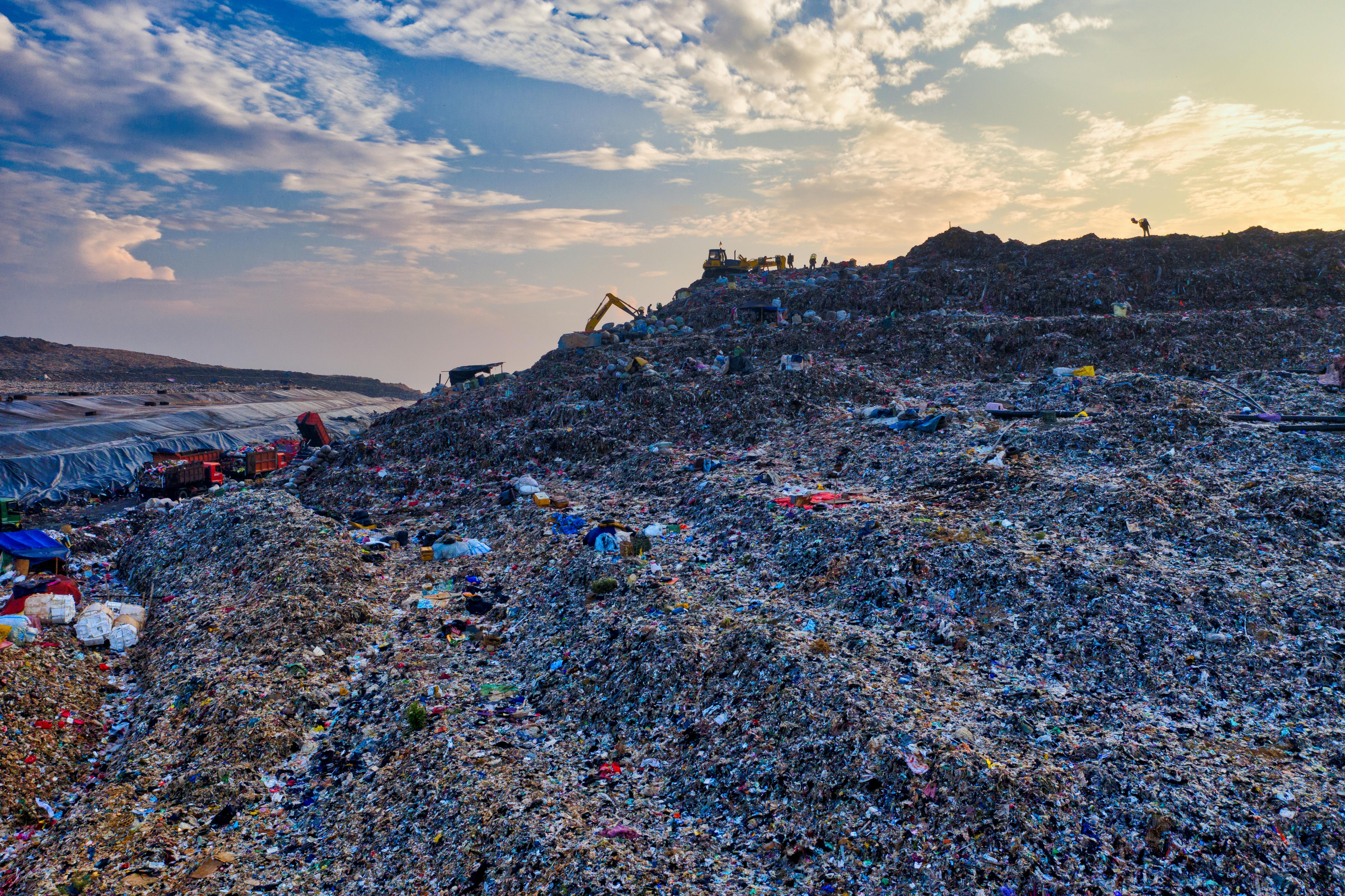
This includes common materials like food waste, paper, yard debris, textiles, and a wide range of non-recyclable items. While some materials could be recycled or composted under the right conditions, they often still end up in landfills due to contamination, lack of access to proper facilities, or convenience. As a result, landfills become the default destination for a large portion of daily waste, even materials that were never intended to be permanently stored.
Organic materials like food waste make up a significant portion of landfill content. Unfortunately, when these materials are buried, they cannot decompose properly due to the lack of oxygen.
Hazardous waste, such as chemicals or medical waste, is typically not allowed in standard sanitary landfills and must be handled through specialized facilities.

What Are the Environmental Impacts of Sanitary Landfills?
Despite their engineered design, sanitary landfills still present environmental challenges. One of the most significant is methane emissions. Methane is far more potent than carbon dioxide in trapping heat in the atmosphere, making landfills a major contributor to climate change.
Landfills also require large amounts of land, and available space is becoming increasingly limited in many regions. Once a landfill reaches capacity, it must be closed and monitored for decades.
Additionally, materials like plastics do not break down easily. Instead, they fragment into microplastics, which can persist in the environment and pose risks to ecosystems and human health.
Leachate, if not properly managed, also presents a risk of water contamination. While modern systems are designed to mitigate this, they are not entirely fail-proof.
What Are The Limitations of Sanitary Landfills?
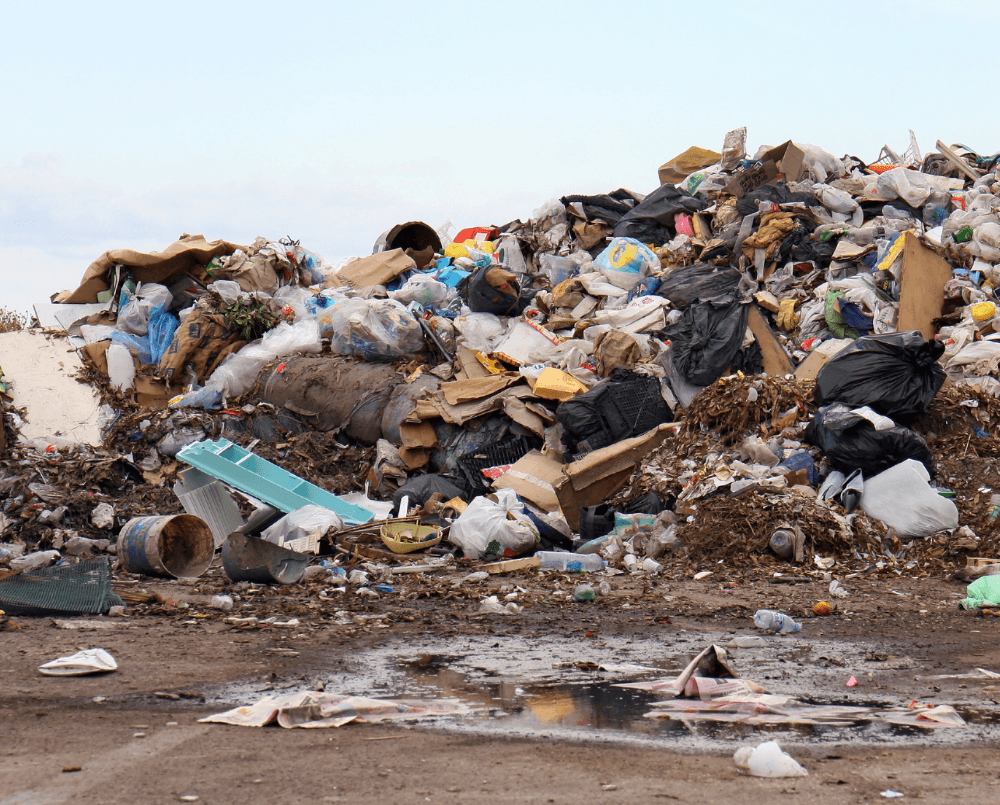
Sanitary landfills are designed to contain waste, not eliminate it. Materials are buried and managed, but they are not beneficially returned to the environment.
Decomposition is slow and incomplete, especially for organic waste that could otherwise be composted. At the same time, the volume of waste generated continues to grow, placing increasing pressure on landfill capacity.
These limitations highlight the need for upstream solutions, including waste reduction, recycling, and composting.
What Is The Role of Compostable Packaging in Landfill Waste?
One of the most effective ways to reduce landfill reliance is to divert organic waste through composting. Compostable packaging plays a key role in this process by allowing food waste and packaging to be processed together in commercial composting facilities.
Unlike traditional petroleum-based food pacakging, certified compostable pacakging is designed to break down into nutrient-rich soil under the right conditions. This supports a more circular system, where materials are returned to the earth rather than stored indefinitely in landfills.
For businesses, switching to compostable packaging can help reduce landfill contributions, align with sustainability goals, and meet growing consumer expectations.
Why Compostable Packaging Works Best With The Right Systems
It’s important to note that while compostable packaging offers numerous upstream benefits, they perform best when paired with proper disposal systems.
Compostable packaging and materials are designed with a better end-of-life in mind: helping turn waste back into something useful rather than storing it for decades. Many compostables can break down in both home and commercial compost settings, though they typically decompose faster and more consistently in industrial facilities where heat, airflow, and moisture are carefully controlled.
Clear labeling, proper bin systems, and customer education all play a critical role in ensuring materials end up in the right waste stream. At the same time, we need more municipal composting programs like curbside pickup and local drop-off optionsb to give consumers and business greater access to convenient composting at scale.

Conclusion
Sanitary landfills will continue to play a role in waste management, but they should not be the default destination for valuable materials like food waste and compostable packaging.
By making informed choices, whether through packaging selection, waste sorting, or education, businesses can significantly reduce their environmental impact. Moving toward systems that prioritize composting and circularity helps shift waste from a long-term liability into a resource.
Understanding how sanitary landfills work is the first step. The next is taking action to send less waste there in the first place.
FAQs
1. What is a sanitary landfill?
A sanitary landfill is an engineered waste disposal site designed to safely contain solid waste using liners, soil cover, and leachate and gas collection systems to protect the environment from contamination.
2. How is a sanitary landfill different from a regular dump?
Unlike open dumps, sanitary landfills are carefully designed and regulated. They include protective liners, daily waste compaction, and monitoring systems to prevent pollution of air, soil, and groundwater.
3. What materials are used in sanitary landfills?
Sanitary landfills typically accept municipal solid waste such as household trash, non-hazardous commercial waste, and some construction debris. Hazardous materials are usually not permitted.
4. How do sanitary landfills protect the environment?
They use multiple layers of protection, including clay and synthetic liners to block leaks, systems to collect and treat leachate, and gas capture systems that reduce methane emissions.
5. What happens when a sanitary landfill becomes full?
Once full, the landfill is sealed with a protective cap made of soil and impermeable layers. The site is then monitored and may be repurposed for uses like parks, green space, or solar projects.