

In this article, we'll cover:
- What Is a Landfill?
- What Is Composting?
- What Are The Biggest Differences?
- Why is Composting Is Better for Organic Waste?
- What is the Environmental Impact of Landfills vs. Composting?
- Why Does Composting Infrastructure Matter?
- How Can Businesses Reduce Landfill Waste?
- What is the Future of Waste Management?
- Conclusion
- FAQS
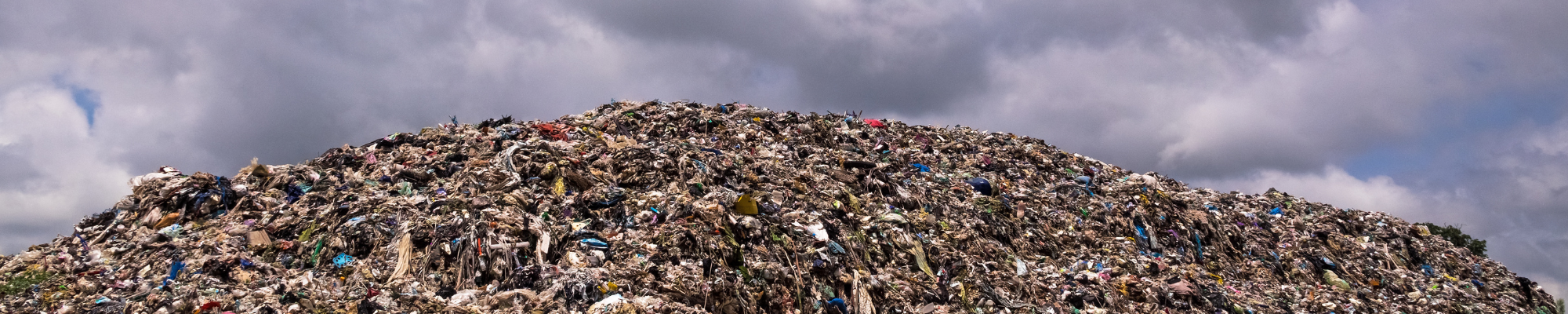
When food scraps, packaging, and other waste materials are thrown away, where they end up matters more than many people realize. While both composting facilities and landfills manage waste, they function in completely different ways, and their environmental impact is dramatically different.
Landfills are designed to store waste long term, while composting systems are designed to break organic materials down naturally and return nutrients back to the soil. Understanding the difference between composting vs. landfills can help businesses and consumers make more informed decisions about waste reduction, sustainability, and packaging choices.
What Is a Landfill, Really?
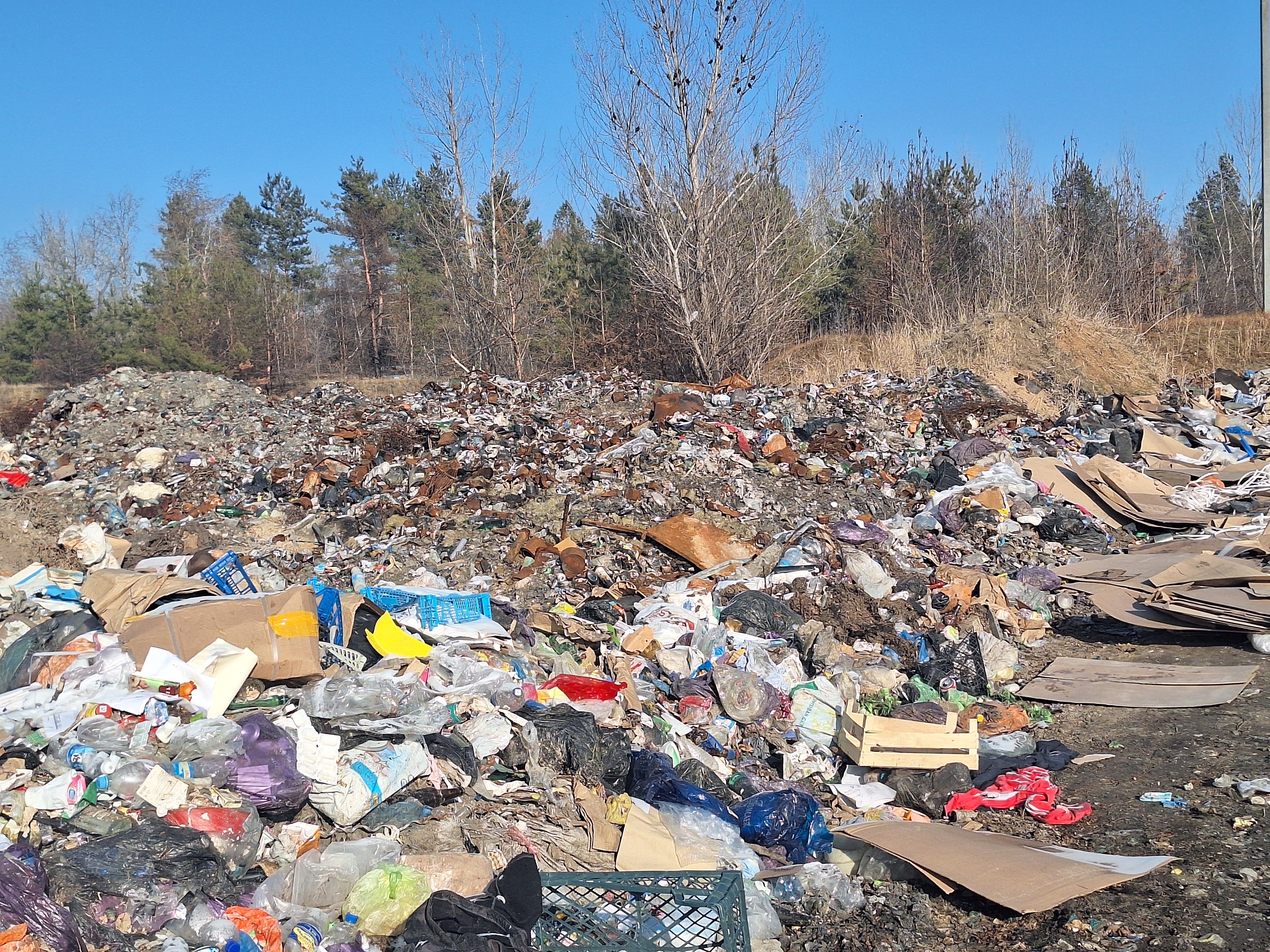
A landfill is a controlled waste disposal site designed to contain trash and prevent contamination of surrounding land and water.
Modern sanitary landfills typically include:
- Protective liners
- Waste compaction systems
- Soil covering
- Gas collection systems
- Leachate management infrastructure
While these systems help reduce some environmental risks, landfills are ultimately designed to store waste, not encourage decomposition.
Why Waste Breaks Down Slowly in Landfills
Inside a landfill, waste is tightly compacted and buried under layers of trash and soil. This limits airflow and creates an anaerobic environment with very little oxygen.
Without oxygen, materials decompose slowly and inefficiently. Organic waste such as food scraps and paper often produces methane gas instead of breaking down naturally.
In some cases, materials can remain recognizable in landfills for decades.
What Is Composting?
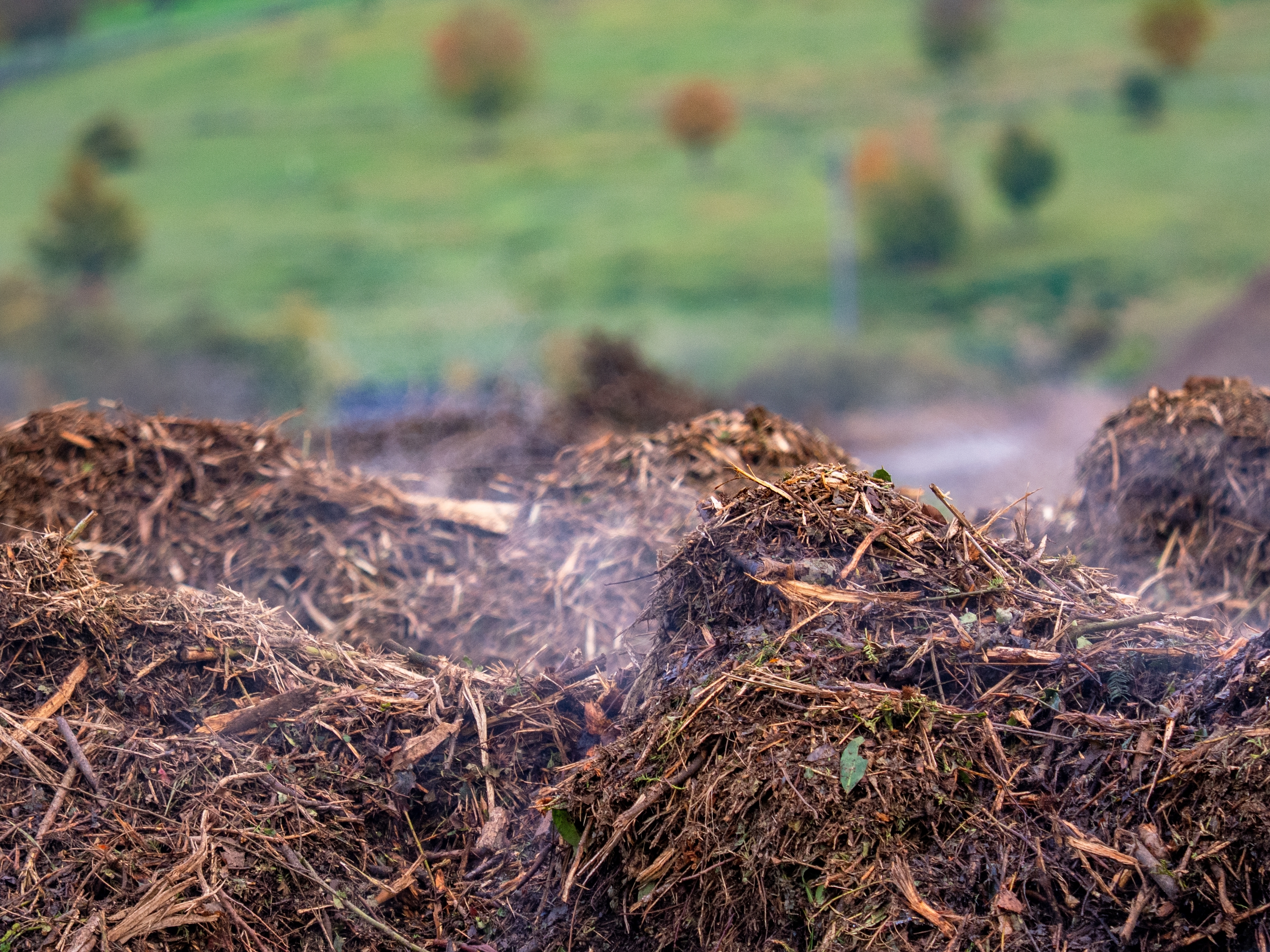
Composting is a natural process that breaks down organic materials into nutrient-rich soil amendments called compost.
Unlike landfills, composting systems are designed to support decomposition by providing:
- Oxygen
- Moisture
- Heat
- Active microbial environments.
These conditions allow microorganisms to efficiently break down organic waste.
What Can Be Composted?
Depending on the composting system, compostable materials may include:
- Food scraps
- Yard waste
- Paper products
- Certified compostable packaging
- Compostable foodservice items
Commercial composting facilities are often able to process a wider range of compostable products than home compost systems.
What Are The Biggest Differences?
Although both systems manage waste, their goals and environmental outcomes are very different.
| Landfills | Composting |
|
Designed to store waste |
Designed to break materials down |
|
Low oxygen environment |
Oxygen-rich environment |
| Produces methane emissions | Produces nutrient-rich compost |
|
Long-term waste accumulation |
Supports circular material recovery |
|
Slower decomposition |
Faster natural decomposition |
Landfills Create Methane Emissions
One of the largest differences between composting and landfills is methane production.
When organic waste decomposes without oxygen in a landfill, it produces methane, a greenhouse gas significantly more potent than carbon dioxide in the short term.
Food waste is one of the largest contributors to landfill methane emissions.
Composting Supports a Circular Waste System
Composting works differently because it mimics natural decomposition.
Instead of trapping organic waste in long-term storage, composting converts materials into usable compost that can help improve soil health, water retention, and agriculture.
"Producing compost on a large scale is recognized as the best way to divert organic materials that are actually resources for amending soils, filtering stormwater, providing resilience in drought, and providing long-term nutrient cycling by adding microbes and organic matter to depleted soils," says Linda Norris - Waldt, Executive Director of the U.S. Compost Council.
This creates a more circular system where nutrients are returned back to the environment rather than buried.
Why Is Composting Is Better for Organic Waste?
Organic materials are one of the biggest problems in landfills because they generate methane under anaerobic conditions.
Composting offers an alternative that allows these materials to decompose more efficiently.
Food Waste and Composting
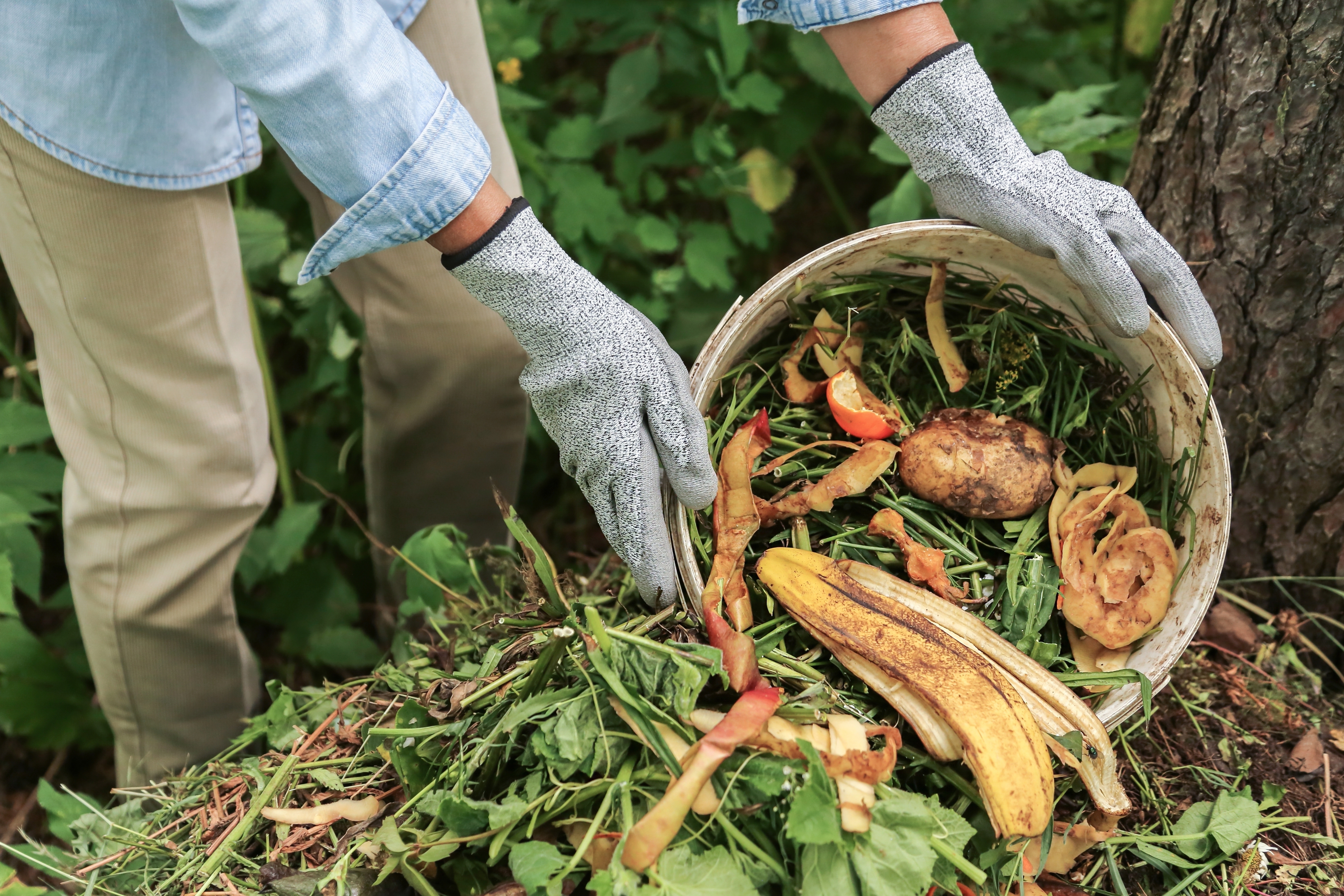
Food scraps are among the most compostable materials generated by homes, restaurants, and foodservice businesses.
When composted properly, food waste can:
- Break down naturally
- Reduce landfill methane emissions
- Support soil health
- Divert waste from landfills
Compostable Packaging and Proper Disposal
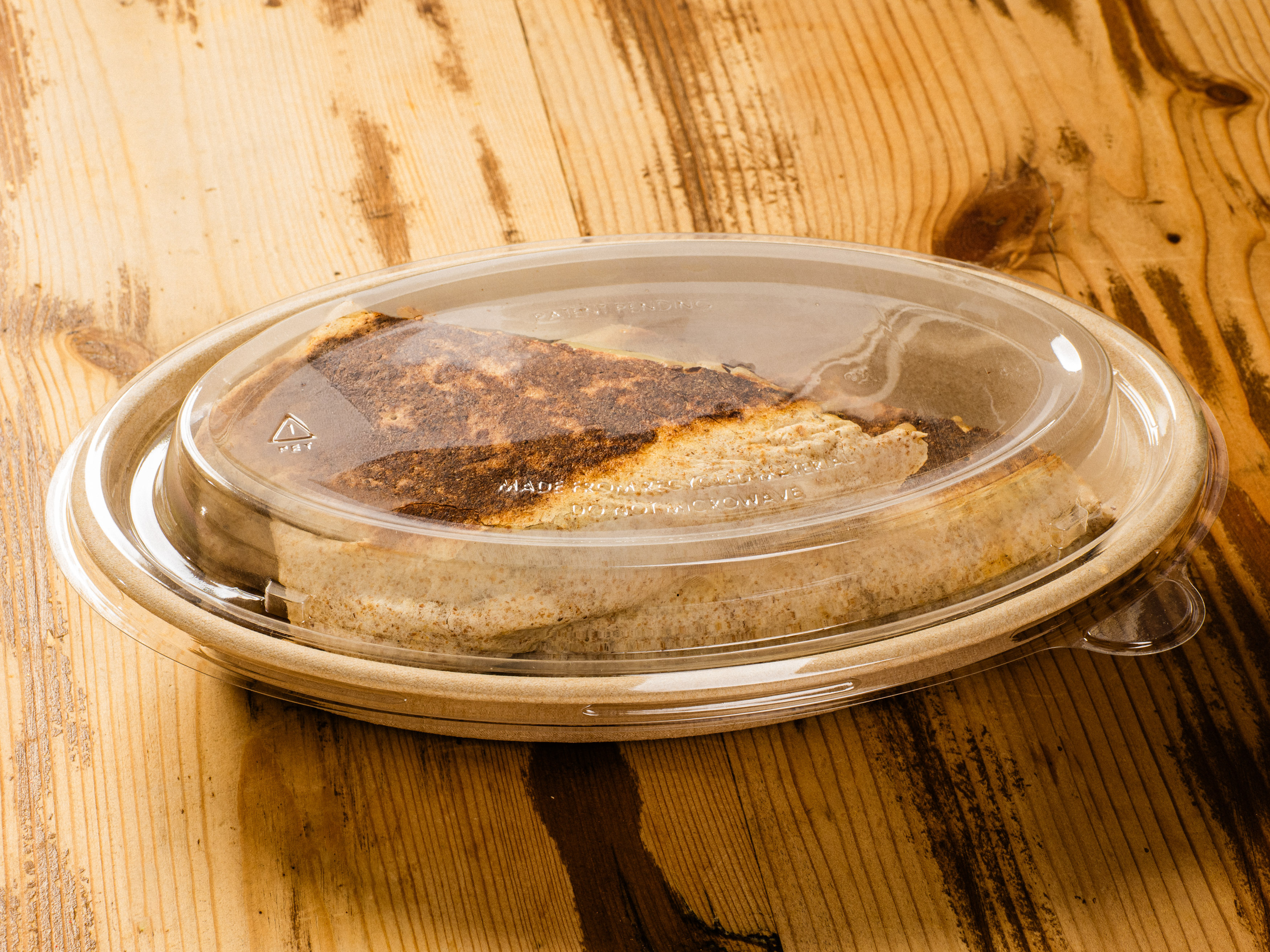
Many compostable packaging products are designed specifically for commercial composting systems.
However, compostable does not automatically mean landfill-friendly.
Certified compostable products often require:
- Controlled heat
- Oxygen
- Moisture
- Active microbial conditions
Without access to composting infrastructure, compostable packaging may still break down slowly in landfills.
What is the Environmental Impact of Landfills vs. Composting?
The environmental impact of each waste system differs significantly.
Landfill Environmental Impact
Landfills can contribute to:
- Methane emissions
- Groundwater contamination
- Air pollution
- Long-term waste accumulation
- Land use challenges
Even modern landfills with gas capture systems still generate environmental concerns over time.
Composting Environmental Benefits
Composting can help:
- Reduce methane emissions
- Divert organic waste from landfills
- Support soil regeneration
- Reduce dependence on synthetic fertilizers
- Encourage circular waste systems
As more communities invest in composting infrastructure, composting is becoming an increasingly important part of sustainable waste management.
Why Does Composting Infrastructure Matter?
One of the biggest challenges surrounding compostable materials is access to composting systems.
Not every city or municipality currently offers:
- Commercial compost collection
- Organics diversion programs
- Industrial composting facilities
Without these systems, compostable products may still end up in landfills.
That’s why education, infrastructure investment, and proper waste sorting are all critical to reducing landfill waste and supporting successful composting programs.
How Can Businesses Reduce Landfill Waste?
Businesses looking to improve sustainability can reduce landfill waste by:
- Reducing food waste
- Implementing composting programs
- Improving waste sorting
- Training staff on disposal systems
- Choosing compostable packaging where composting exists
Foodservice businesses in particular can often divert large amounts of organic waste through composting partnerships and better waste management systems.
What is the Future of Waste Management?
As sustainability regulations and climate concerns continue growing, more businesses and communities are focusing on landfill diversion and organics recovery.
Composting is increasingly viewed as an important solution for:
- Food waste reduction
- Methane reduction goals
- Circular economy initiatives
- Sustainable packaging systems
Understanding this helps explain why reducing waste, composting food scraps, and choosing responsibly designed packaging can all play an important role in building more circular waste systems.
At Good Start Packaging, we believe sustainable packaging works best when paired with the infrastructure designed to support it. Compostable products are part of a larger shift toward reducing landfill dependence and creating more responsible waste systems.
Conclusion
The difference between composting vs. landfills comes down to purpose. Landfills are designed to store waste, while composting systems are designed to return organic materials back to the earth through natural decomposition.
As more businesses and consumers work to reduce waste and lower environmental impact, understanding where materials go after disposal is an important part of building more sustainable systems for the future.
FAQ’s
Frequently Asked Questions
What is the difference between composting and landfills?
Landfills are designed to contain waste long term, while composting systems are designed to naturally break down organic materials into usable compost.
Why is composting better than landfills?
Composting reduces methane emissions, supports soil health, and diverts organic waste away from long-term landfill storage.
Do compostable products break down in landfills?
Many compostable products require commercial composting conditions and may decompose very slowly in landfills.
Why do landfills produce methane?
Landfills create anaerobic environments with little oxygen, causing organic waste to produce methane as it decomposes.
Can food waste be composted instead of landfilled?
Yes. Food scraps are one of the most common and effective materials for composting programs.
How can businesses reduce landfill waste?
Businesses can reduce landfill waste through composting programs, improved waste sorting, food waste reduction, and sustainable packaging choices.