

In this article, we'll cover:
- When is a Landfill Considered Full?
- What Happens When a Landfill Reaches Capacity?
- How Are Landfills Closed?
- What Happens to Waste After a Landfill is Closed?
- How Long Should Closed Landfills be Monitored?
- What are the Environmental Impacts of Closed Landfills?
- How Does Compostable Packaging Reduce Landfill Waste?
- Conclusion
Landfills are designed to manage waste safely and efficiently, but they are not unlimited. As communities continue to generate large volumes of trash, many landfills are reaching capacity faster than expected. Understanding what happens when a landfill is full, and what comes next, highlights the importance of waste reduction, composting, and smarter packaging choices.
When is a Landfill Considered Full?
Capacity Limits and Permitted Space
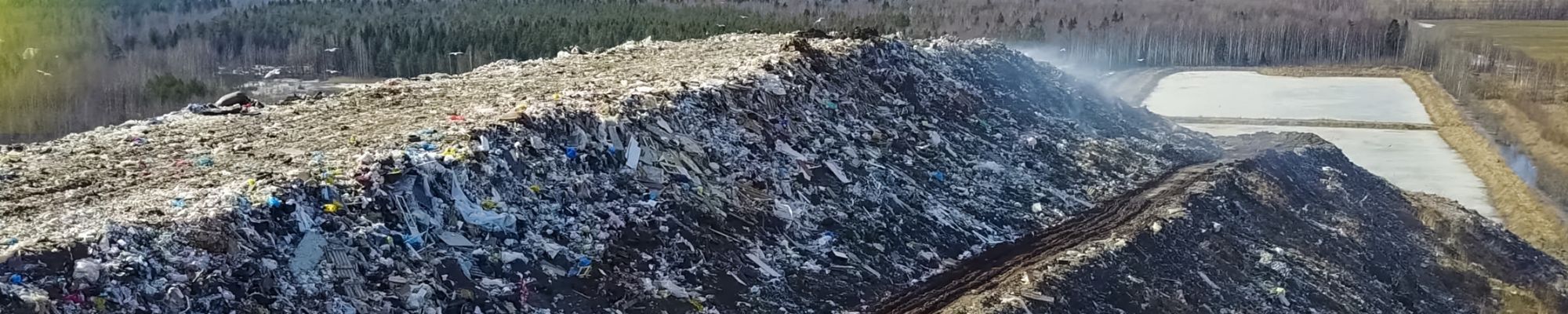
A landfill is considered full when it reaches its permitted capacity, which is determined by volume, height restrictions, and environmental regulations. Waste is placed in designated sections known as “cells,” which are carefully engineered to contain materials and minimize environmental impact. Once all available cells are filled and the site reaches its approved limits, it can no longer accept additional waste.
Why “Full” Doesn’t Always Mean Closed
However, reaching capacity does not always mean immediate closure. In some cases, landfill operators may apply for permits to expand vertically or horizontally. These expansions are highly regulated and not always approved. In many situations, planning for closure begins years in advance to ensure that environmental safeguards are in place and the transition is properly managed.

What Happens When a Landfill Reaches Capacity?
Final Waste Placement and Compaction
Once a landfill reaches its limit, operators complete the final layers of waste placement. Materials are compacted as much as possible to reduce volume and stabilize the structure. Proper compaction is critical, as it helps minimize future shifting or settling of the waste mass.
Transitioning to Closure Phase
After final placement, the site transitions from an active waste management facility to a controlled, inactive system. This marks the beginning of the closure process, where the focus shifts from accepting waste to containing it safely over the long term.
How Are Landfills Closed?
Multi-Layer Cap Systems
Closure involves installing a protective cap over the landfill. This cap is made up of multiple layers, including soil, synthetic liners, and drainage materials. Together, these layers form a barrier that seals the waste and reduces environmental exposure. The top layer is often covered with vegetation to prevent erosion and help integrate the site into the surrounding landscape.
Preventing Water and Contamination Risks
One of the primary purposes of the cap is to prevent rainwater from entering the landfill. When water seeps into waste, it creates a contaminated liquid known as leachate. By limiting water infiltration, the cap reduces the volume of leachate and helps protect nearby soil and groundwater from contamination.
What Happens to Waste After a Landfill is Closed?
Slow Decomposition Without Oxygen
Even after closure, waste does not simply disappear. Instead, it continues to break down in an oxygen-poor, or anaerobic, environment. This process is extremely slow and can take decades or even centuries, particularly for materials like plastics and certain types of packaging.
Methane Production and Gas Management
As organic waste decomposes, it produces methane, a powerful greenhouse gas that contributes to climate change. Many modern waste disposal facilities install gas collection systems to capture methane and either burn it off or convert it into energy. While these systems help reduce emissions, they are not perfect, and some methane still escapes into the atmosphere.
Leachate and Long-Term Containment
In addition to gas, decomposing waste produces liquids that must be carefully managed. Leachate collection systems are designed to capture and treat this liquid before it can contaminate surrounding ecosystems. Maintaining these systems is essential for long-term environmental protection.
How Long Should Closed Landfills be Monitored?
Post-Closure Monitoring Requirements
Landfills require ongoing monitoring long after they are closed. In most cases, regulations mandate at least 30 years of post-closure care, though some sites require even longer oversight depending on environmental conditions and risk factors.
Ongoing Environmental Protection
During this period, operators monitor methane emissions, groundwater quality, and the structural stability of the site. Regular inspections ensure that containment systems, such as liners, caps, and drainage infrastructure, continue to function properly. If any issues arise, corrective actions must be taken to prevent environmental damage.
What are the Environmental Impacts of Closed Landfills?
Land Use and Space Limitations
Once a landfill is full, it occupies a significant amount of land that cannot easily be repurposed. While some closed sites are converted into parks, green spaces, or solar installations, development options are limited due to the underlying waste and long-term environmental risks.
Long-Term Emissions and Costs
Even after closure, landfills continue to emit greenhouse gases and require maintenance. These ongoing responsibilities create long-term financial and environmental costs for communities and local governments.
Increased Waste Transportation
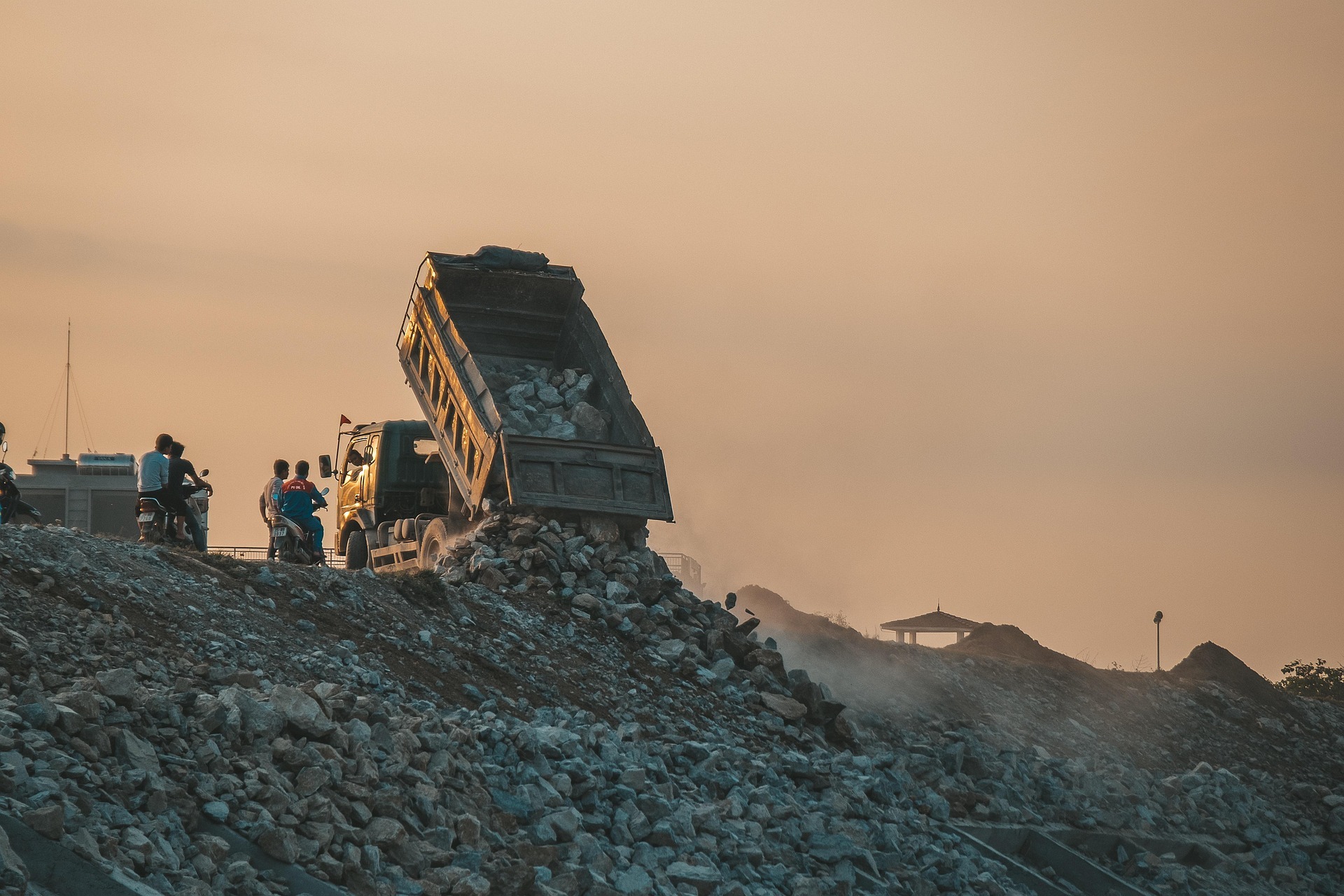
As nearby landfills reach capacity, waste often needs to be transported to more distant facilities. This increases fuel use, transportation costs, and overall carbon emissions, adding another layer of environmental impact.
How Does Compostable Packaging Reduce Landfill Waste?
The Impact of Organic Waste
Organic materials, such as food scraps, make up a large portion of landfill waste. However, in landfill conditions, they cannot decompose properly due to the lack of oxygen. Instead of breaking down into useful nutrients, they produce methane and contribute to long-term environmental issues.
How Composting Diverts Waste
Composting offers a more sustainable alternative. By diverting organic waste to composting facilities, these materials can break down naturally into nutrient-rich soil. This process not only reduces landfill volume but also supports agriculture and soil health.
The Role of Compostable Packaging
Compostable packaging plays a key role in enabling this system. Unlike traditional plastics, certified compostable materials are designed to break down in commercial composting environments. This allows food waste and packaging to be processed together, reducing contamination and simplifying waste sorting.
Smarter Choices for Businesses
For businesses, especially in foodservice, choosing compostable packaging can significantly reduce landfill contributions. Combined with proper waste sorting and customer education, these choices support more circular systems and align with growing consumer demand for sustainable practices.

Conclusion
Landfills are designed to hold waste, not eliminate it, and relying on them long term creates environmental challenges that can last for decades. From ongoing emissions to land use limitations, the impacts extend far beyond the point when a landfill is considered “full.”
Moving toward a more circular approach, through composting, recycling, and waste reduction, helps keep valuable materials in use and out of disposal sites. Understanding what happens when a landfill reaches capacity is the first step; the next is taking action to reduce the amount of waste sent there in the first place.