

- What is a Sanitary Landfill?
- What are the 3 Main Types of Landfills Today?
- How are Landfill Sites Chosen?
- How Do Landfills Work?
- What are the Decomposition Timelines?
- What is the Environmental Impact of Landfills?
- How Do You Choose the Right Waste Stream for You?
- What Are Ways to Reduce Your Landfill Footprint?
- Conclusion
Every day, whe “throw things away.” A coffee cup after the morning rush, takeout packaging at lunch, and shipping materials after an online order arrives. But there’s one problem with the phrase “away.”
There is no “away.”
Once trash leaves your hands, it enters a system designed to contain it, not make it disappear. Understanding how modern landfills work helps explain why what we throw out, and how we dispose of it, matters more than we think.
What is a Sanitary Landfill?
Modern landfills aren’t just piles of trash. Today’s disposal sites are highly engineered systems, called sanitary landfills, designed to contain waste and keep it from impacting the surrounding environment.
At their core, sanitary landfills use layers of protection like liners, drainage systems, and monitoring wells to safely store waste and reduce the risk of contamination to soil and groundwater.
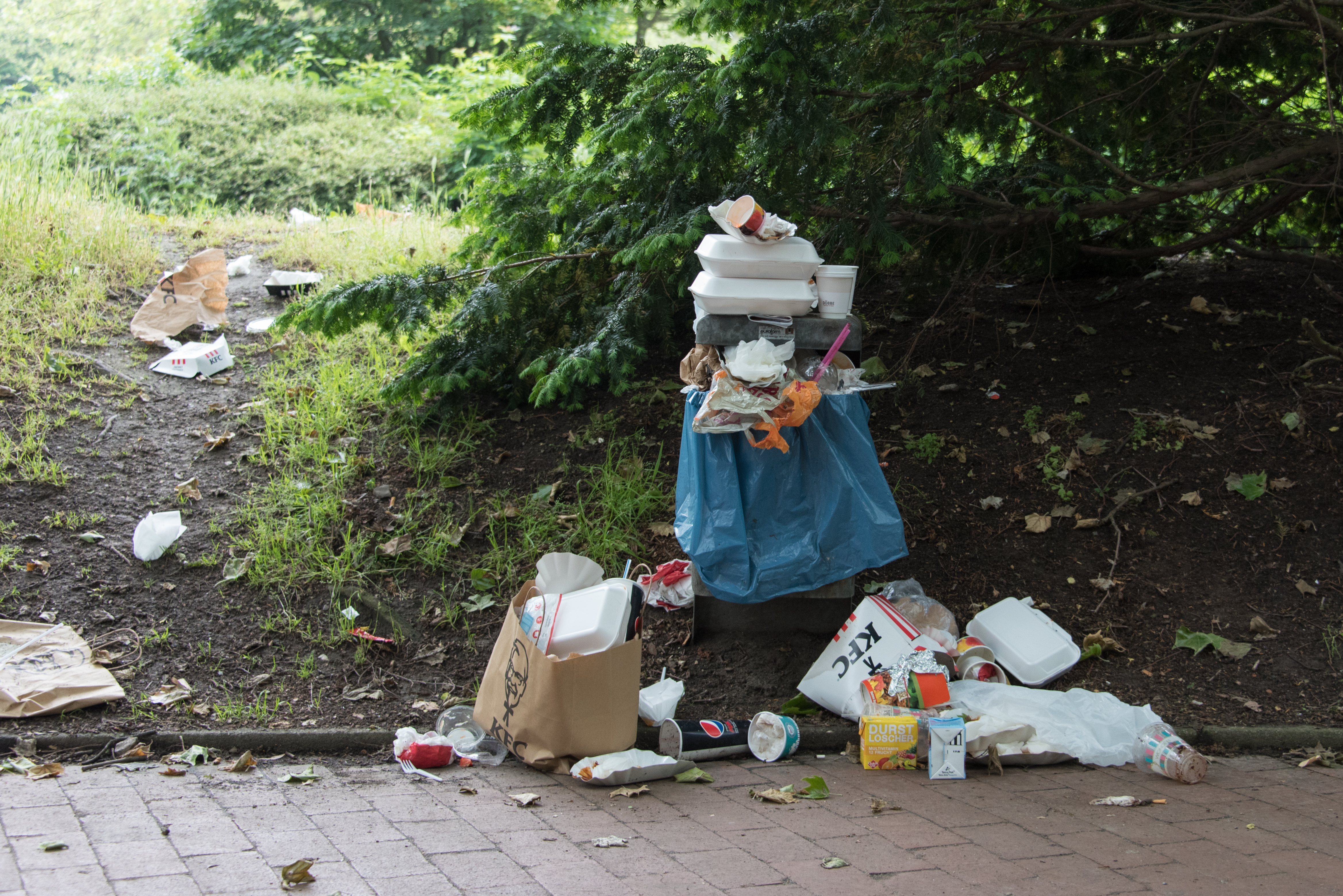
In the past, many communities relied on open dumps, where waste was simply left on the ground with little to no safeguards for air, water, or soil. While modern landfills are a major step up in terms of control and regulation, their goal isn’t to break waste down; it’s to contain it.
Dump vs. Landfill
| Feature | Open Dump | Modern Sanitary Landfill |
| Environmental Protection | None | Engineered Liners + Monitoring |
| Waste Handling | Minimal control | Compacted in layers |
| Groundwater Protection | None | Clay + Synthetic Liner Systems |
| Gas Management | None | Methane Capture Systems |
| Regulation | Limited | Highly Regulated |
What are the 3 Main Types of Landfills Today?
1.) Municipal Solid Waste (MSW)
These are the most common landfills and the destination for everyday household and commercial waste.
Typical materials include:
- Food scraps
- Packaging materials
- Paper and cardboard
- Plastics
- Household goods
Most packaging waste ultimately ends up in MSW landfills if it is not recycled or composted.
2.) Construction and Demolition (C&D)
C&D landfills manage waste generated during building and demolition projects.
Common materials include:
- Concrete
- Wood
- Asphalt
- Drywall
- Metals
These materials are heavier and often require different handling compared to municipal waste streams.
3.) Hazardous & Industrial Waste
Certain wastes require specialized disposal environments due to their chemical or biological risks.
These facilities handle materials such as:
- Industrial chemicals
- Medical waste
- Toxic byproducts
- Contaminated soils
Strict containment protocols ensure these substances do not contaminate surrounding ecosystems.
How are Landfill Sites Chosen?
Landfill sites are carefully selected through a mix of environmental science and strict regulations.
Planners look for areas that reduce the risk of pollution, avoiding wetlands, flood zones, and places with high groundwater. Ideal locations often have natural barriers, such as clay soils, that help contain waste. They also evaluate how close the site is to rivers, drinking water sources, and wildlife habitats.
At the same time, practical and community factors play a big role. Landfills need to be close enough to population centers to keep transportation efficient, but far enough away to minimize impacts like odor, traffic, and noise. Required buffer zones help create that distance. Proposed sites usually go through environmental reviews and public input processes, which can be contentious since no one wants a landfill nearby.
In the end, it’s about balancing safety, cost, and community concerns while managing the reality of our waste.
How Do Landfills Work?
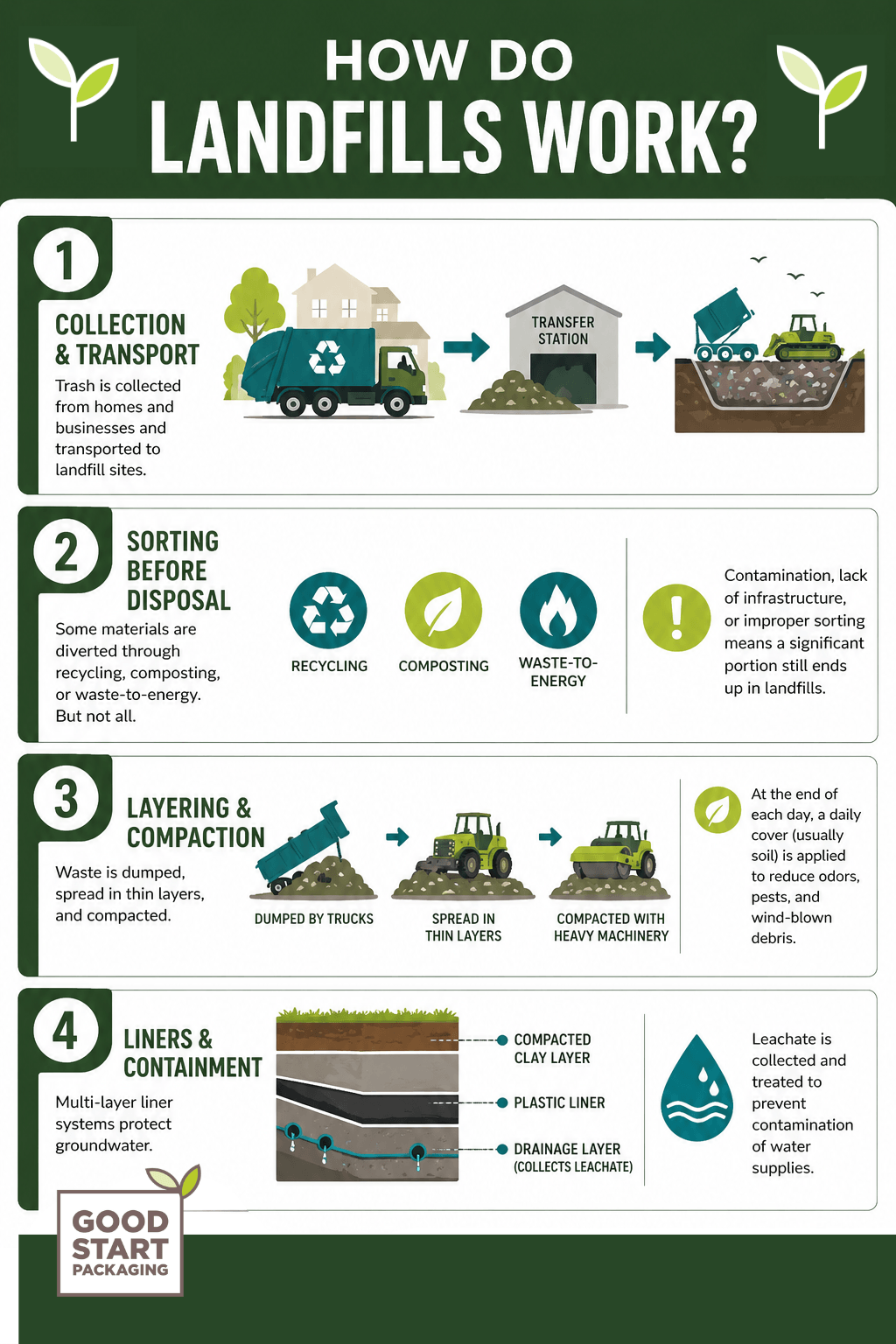
1.) Waste Collection and Transport
The waste journey begins when trash is collected from homes, restaurants, and businesses. Waste haulers transport materials to either transfer stations for sorting and consolidation or direct landfill disposal sites. From there, trucks deliver waste to designated landfill cells.
2.) Waste Sorting (What Happens Before Landfill Disposal)
Before reaching the landfill, some materials may be diverted through:
- Recycling programs
- Composting facilities
- Waste-to-energy processing
However, contamination, lack of infrastructure, or improper sorting means a significant portion of waste still ends up buried.
3.) Layering and Compaction
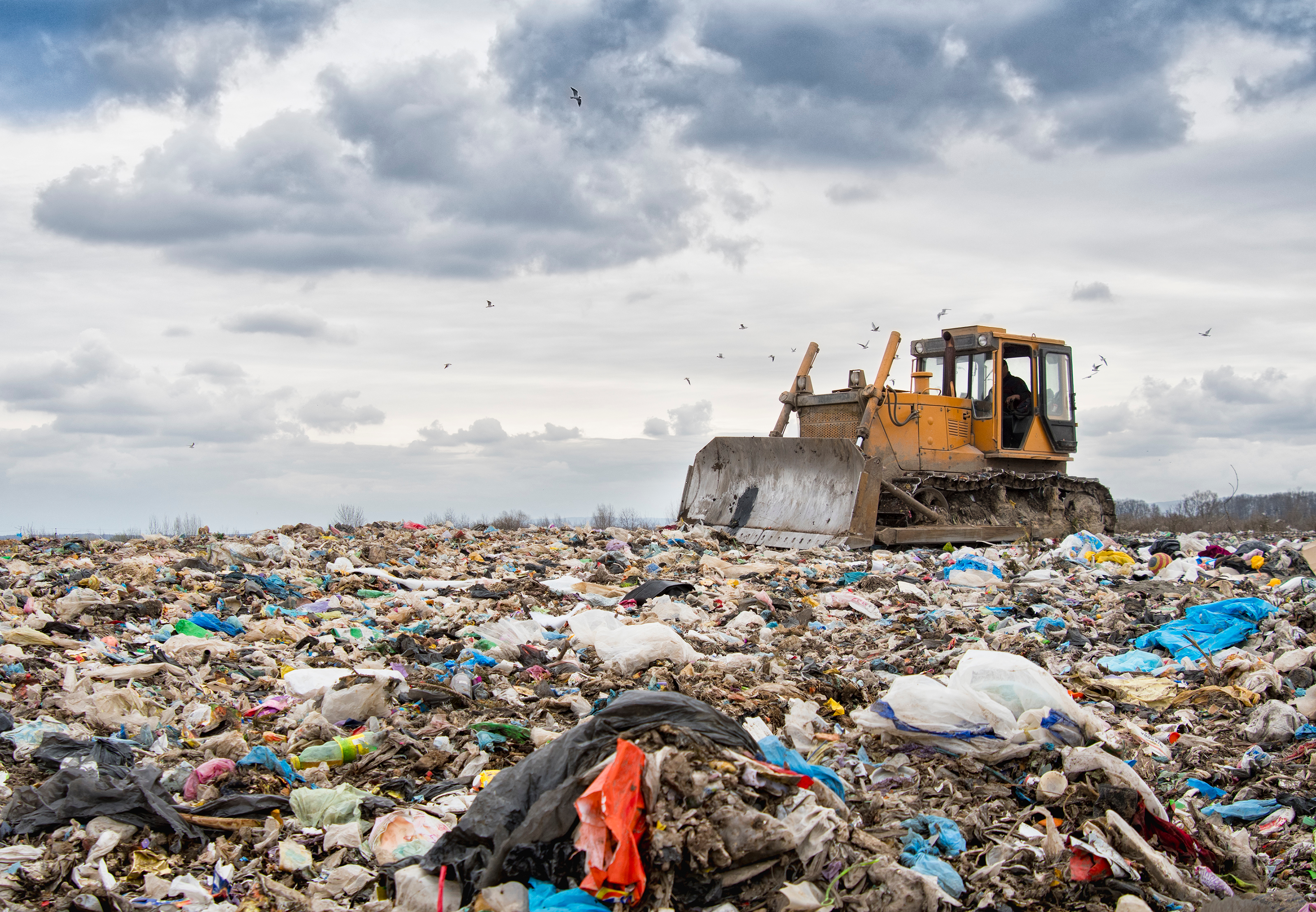
At the landfill “working face,” waste is dumped by trucks, spread into thin layers, and compacted using heavy machinery.
Compaction dramatically reduces the total volume of waste.
At the end of each day, landfill operators apply daily cover materials, usually soil or alternative materials, to reduce:
- Odors
- Pests
- Wind-blown debris
4.) Liner Systems and Containment
Modern landfills rely on multi-layer liner systems to protect groundwater.
These systems typically include:
- Compacted clay layers
- High-density plastic liners
- Drainage systems to collect leachate (liquid runoff)
Leachate is collected and treated to prevent contamination of nearby water supplies.
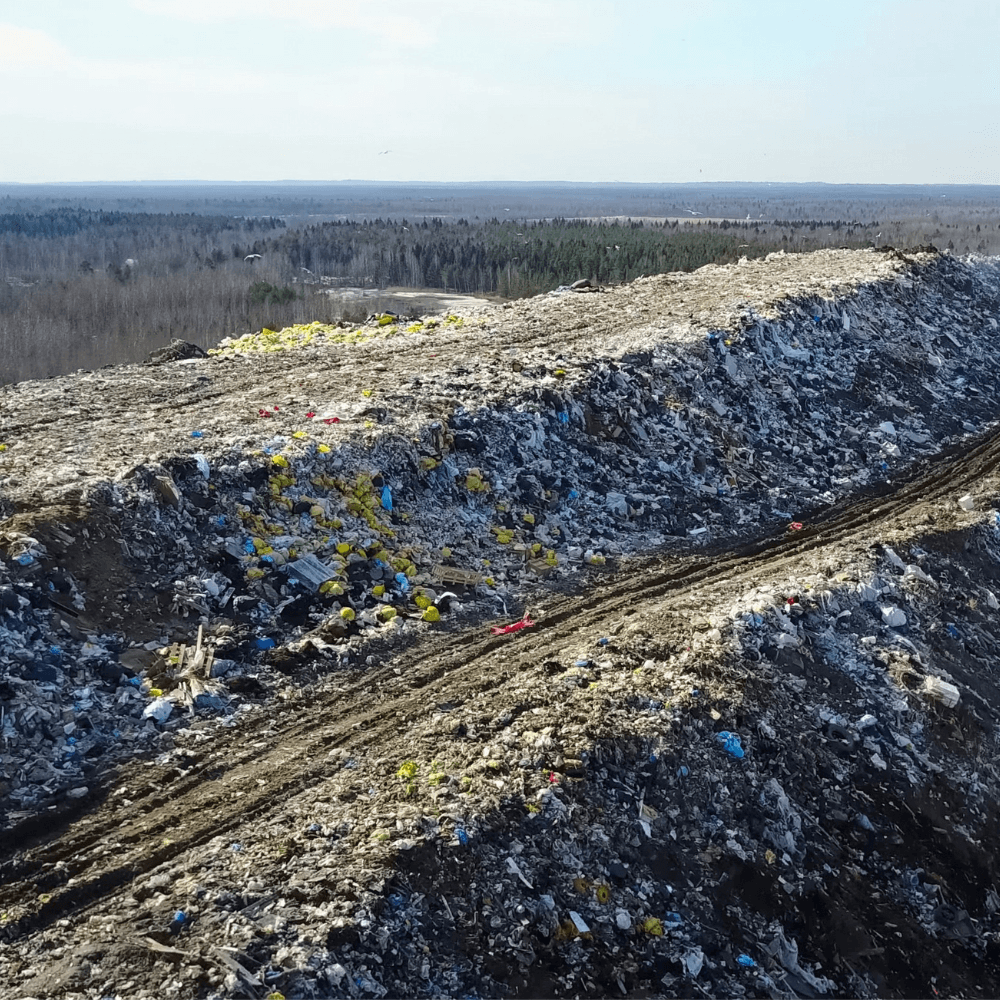
"Modern Landfills protect the environment through engineering, development, and monitoring, and even produce energy from the waste as it decomposes," says Todd Green, Vice President of Landfill Operations at American Environmental Landfill, Inc. At a certain point, a landfill reaches capacity, but it doesn't disappear. It gets sealed with layers of soil and protective materials, then monitored for years to manage things like gas, water runoff, and more.
What are the Decomposition Timelines?
How long something takes to break down depends a lot on where it ends up. Materials that decompose quickly in compost can stick around for years, or even decades, in a landfill.
| Material | In Composting Conditions | In Landfills (Reality) |
| Organic Waste | Breaks down in weeks to months | Breaks down very slowly due to limited oxygen |
| Paper/Cardboard | Breaks down in weeks to months | Breaks down slowly; may take years |
| Plastic Bottles | Not Compostable | Persists for hundreds of years and may form Microplastics |
| Compostable Plant Fiber Packaging | 2-6 Months (in Industrial Compost Facilities)* | Not designed for landfill conditions; breakdown is significantly slowed |
| Compostable Plastics | 3-6 Months (in Industrial Compost Facilities) | Requires specific composting conditions; limited or no meaningful breakdown in landfills |
*Compostable plant fiber packaging is often designed to break down in both home and industrial composting environments, but the process looks very different. In a backyard compost pile, where heat and conditions are less consistent, it can take 6–12+ months to fully break down. In contrast, industrial composting facilities use higher temperatures and controlled conditions to significantly speed up the process.
What is the Environmental Impact of Landfills?
The Greenhouse Gas Problem
As organic waste slowly decomposes in oxygen-poor conditions, it produces methane, a greenhouse gas significantly more potent than carbon dioxide in the short term.
This makes landfills a major contributor to climate change within the waste sector. In fact, municipal solid waste landfills are among the largest human-related sources of methane emissions globally.
To help reduce this impact, many modern landfills install gas collection systems that capture methane as it forms. This gas can then be flared off or, ideally, converted into usable energy, such as electricity or renewable natural gas.
Groundwater Protection
Environmental protections at landfills have come a long way over the past few decades.
In the past, many landfills were essentially open dumps, without liners, monitoring, or systems to control leaks, meaning waste and contaminated liquids could seep directly into the ground and nearby water sources.
Today’s sites often rely on tools like groundwater monitoring wells, leak detection systems, and sensor-based tracking to keep a close eye on what’s happening below the surface. These technologies allow operators to catch potential issues early and respond quickly to protect the surrounding soil and water.
Land Use and Post-Closure
When landfills reach capacity, they are sealed and monitored for decades.
Many former landfill sites have been converted into:
- Public parks
- Solar farms
- Recreational fields
These redevelopment projects demonstrate how previously unusable land can be repurposed.
How Do You Choose the Right Waste Stream for You?
Understanding waste systems is critical for companies trying to reduce their environmental footprint.
The Diversion Gap
A surprising portion of landfill waste could actually be diverted.
Studies estimate that roughly 40% of landfill material consists of compostable organic matter, including food waste and compostable food packaging.
Separating these items and sending them to a composting facility or composting at home helps reduce landfill volume and cuts methane emissions.
The Waste Hierarchy
Sustainability experts suggest using a simple guide for making better waste decisions:
- Reduce – Use less to begin with
- Reuse – Get more life out of what you already have
- Recycle – Turn materials into something new (e.g., through composting and recycling)
- Recover – Generate energy from waste
- Dispose – Send to landfill only as a last option
The packaging businesses choose to use, for example, plays a big role in where waste ends up on this scale.
How Can You Reduce Your Landfill Footprint?
Separate Your Waste
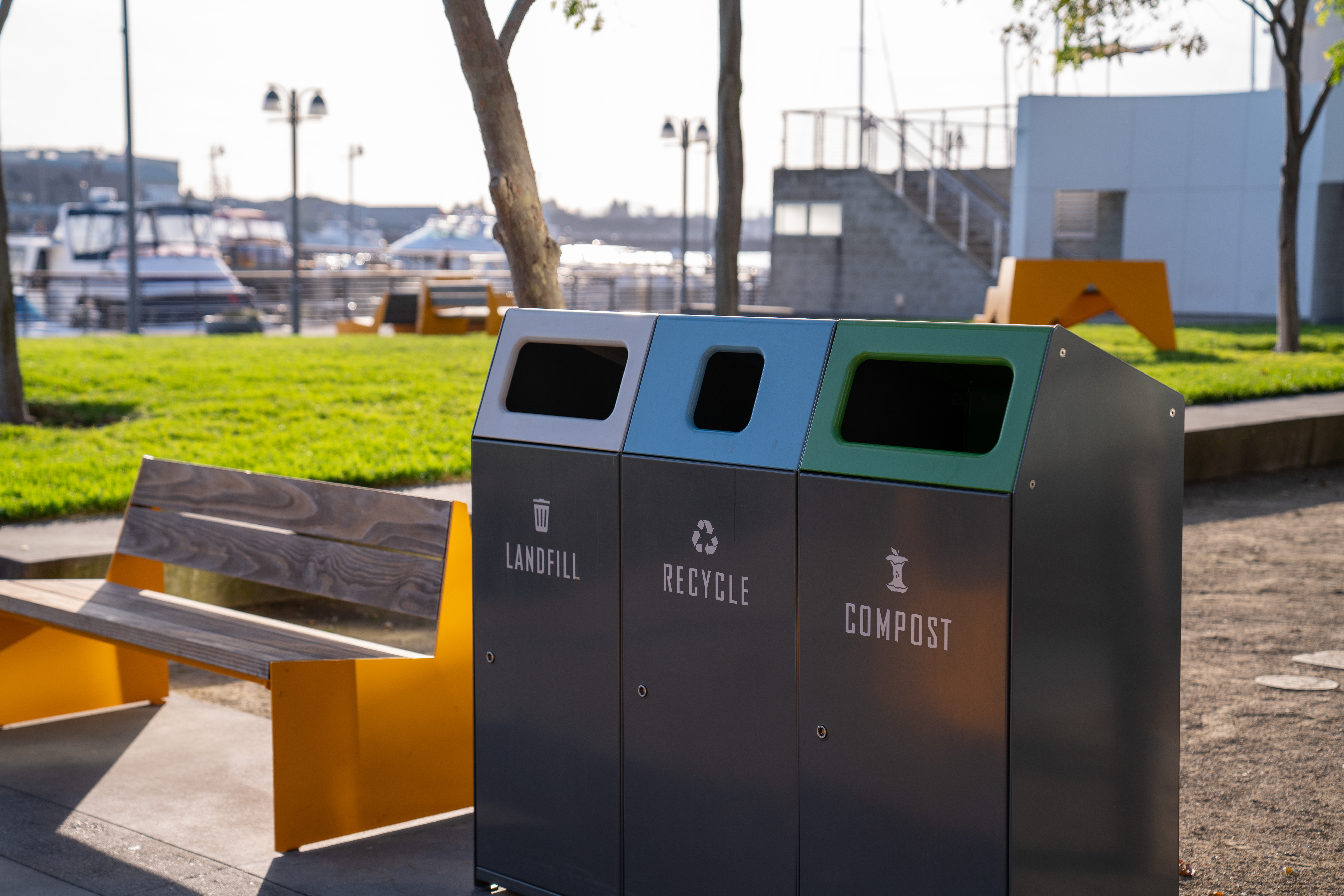
Sort materials into recycling, compost, and landfill so valuable resources don’t end up in the trash.
Keeping organics, like food scraps and compostable packaging, out of landfills is one of the most impactful steps you can take.
Also, be aware of recycling contamination. Keeping recyclables clean and dry helps ensure they can actually be processed, because even small amounts of food or liquid can cause entire batches to be rejected and sent to the landfill instead.
Purchase Smarter
One of the most effective ways businesses can reduce their landfill footprint is by choosing packaging with its end-of-life in mind.
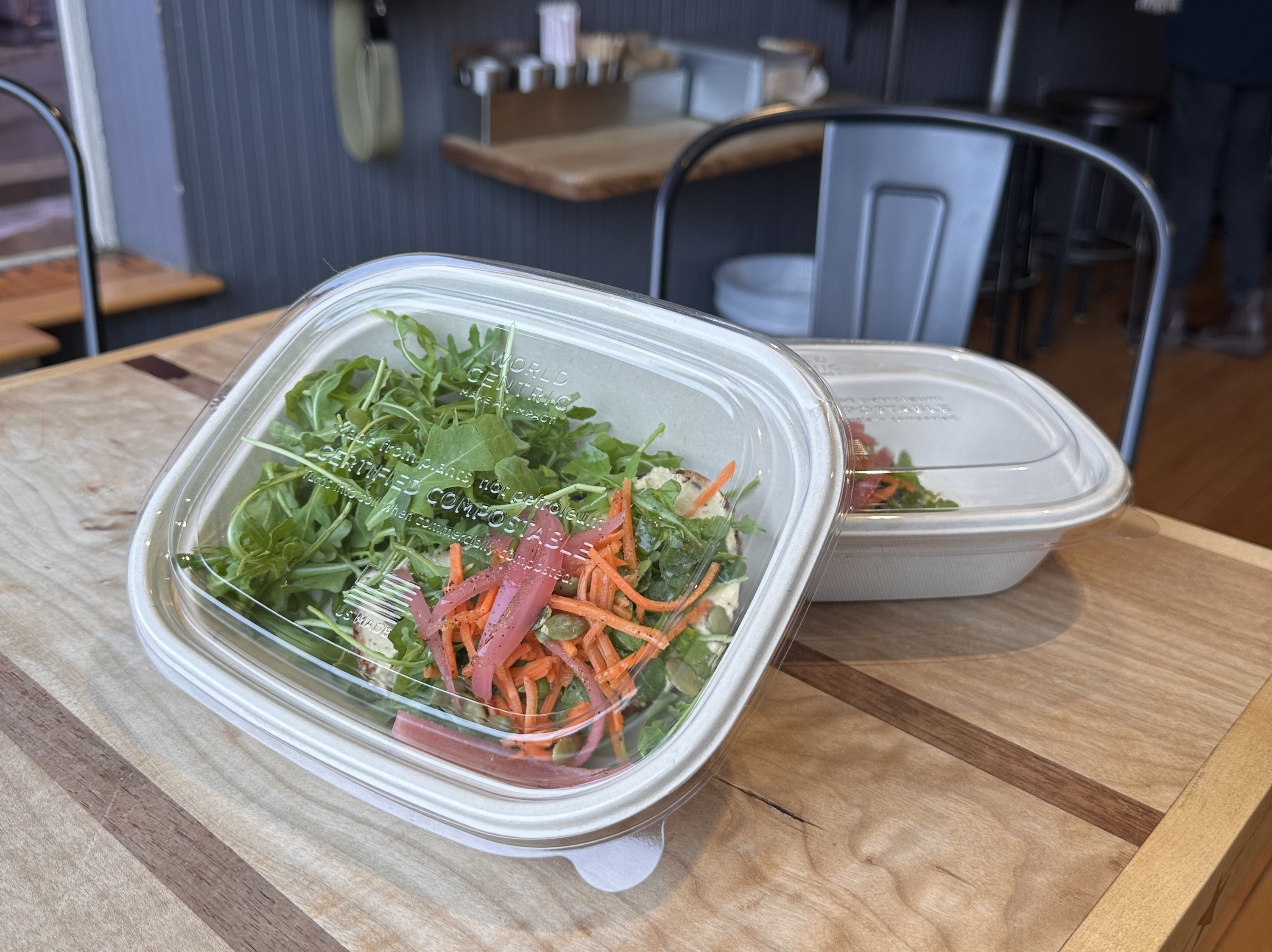
For restaurants, food producers, and beverage brands, this often means moving away from conventional petroleum-based plastic packaging toward certified compostable alternatives that can break down safely and naturally in composting environments.
When evaluating options, look for products that align with composting systems and recognized sustainability standards, and consider sourcing partners, like Good Start Packaging, that prioritize transparency and responsible manufacturing.
Common examples include:
- Compostable cold cups and lids
- Compostable food containers and takeout packaging
- Plant-fiber plates and bowls
- Compostable utensils
- Compostable straws and supplies
Support Waste Infrastructure
Municipal composting and improved recycling infrastructure are essential for diverting waste away from landfills.
Businesses and consumers can help by supporting programs that expand these systems and staying informed about legislation aimed at reducing materials harmful to our environment.
Conclusion
Landfills are an essential part of modern waste management, but they are designed for containment, not sustainability.
Understanding how waste systems work helps businesses and consumers make smarter decisions about the materials they use every day.
Reducing landfill waste starts upstream, with thoughtful product design, responsible purchasing, and packaging choices that prioritize composting and recycling.
The more we understand the full lifecycle of waste, the easier it becomes to keep valuable materials out of landfills and move toward a truly circular system.
FAQS: What is a landfill?
1. What is a modern landfill?
A modern landfill is a highly engineered waste disposal site designed to safely contain trash while protecting the environment. Unlike older dumps, modern landfills use liners, leachate collection systems, and gas capture technology to prevent contamination and manage emissions.
2. What are the main types of landfills today?
The three main types of landfills are municipal solid waste (MSW), construction and demolition (C&D), and hazardous or industrial landfills. Each type is designed to handle specific materials, from everyday household waste to toxic or chemical byproducts.
3. How do modern landfills protect the environment?
Modern landfills use multiple layers of protection, including clay and plastic liners, leachate collection systems, and groundwater monitoring wells. These systems help prevent harmful liquids and chemicals from contaminating the surrounding soil and water.
4. Why does waste decompose so slowly in landfills?
Landfills are low-oxygen environments, which significantly slow down decomposition. Even organic materials like food and paper can take decades to break down because the conditions are not ideal for natural microbial activity.
5. What role do landfills play in greenhouse gas emissions?
As organic waste breaks down in landfills, it produces methane—a greenhouse gas far more potent than carbon dioxide in the short term. Many modern landfills now capture this gas and convert it into energy to reduce environmental impact.
6. How can businesses reduce their landfill impact?
Businesses can reduce landfill waste by following the waste hierarchy: reduce, reuse, recycle, recover, and dispose as a last resort. Actions like separating waste streams, choosing compostable packaging, and supporting recycling or composting programs can significantly lower landfill contributions.