

In this article, we'll cover:
- What is Composting?
- How Does Composting Work?
- What are the Environmental Benefits of Composting?
- What are the Economic Benefits of Composting?
- What is the Difference Between Home Composting and Commercial Composting?
- What Can You Compost?
- What are Common Mistakes with Composting?
- How Can I Compost at Home?
- How Do I Choose a Composting Service?
- Is Composting Good for Businesses?
- FAQ’s
- Conclusion
Landfills does not make waste disappear. They store trash for decades. As more sites reach capacity, the need for better waste solutions has never been more urgent. One of the simplest and most impactful changes individuals and businesses can make is composting.
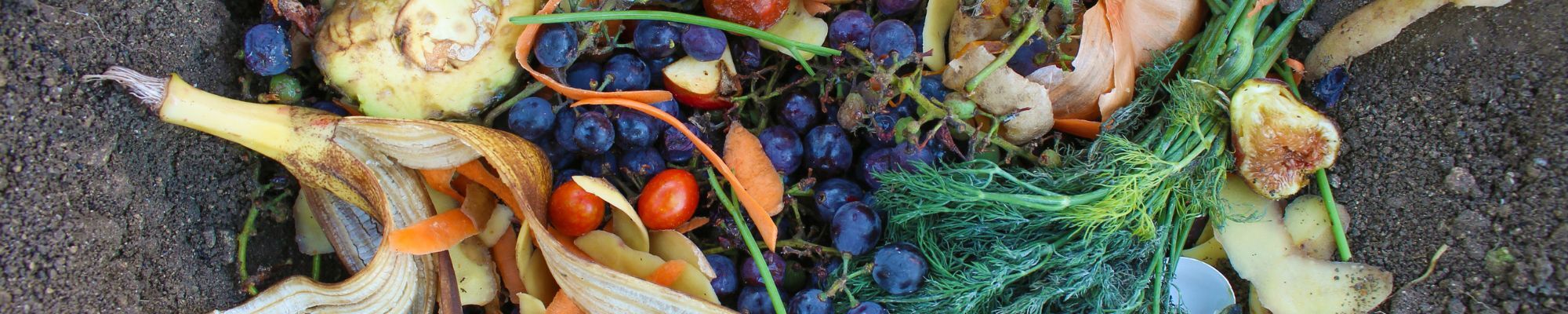
Composting transforms everyday organic waste into nutrient-rich soil that helps grow what’s next. This includes like food scraps, paper, and certified sustainable packaging. It is a powerful way to reduce waste, cut emissions, and support a more circular system.
In this guide, you’ll learn exactly what composting is, how it works, why it matters, and how to start, whether at home or through a commercial service.
What is Composting?
Composting is the natural process of breaking down organic materials into a nutrient-rich soil amendment known as compost. This process happens with the help of microorganisms like bacteria and fungi, which decompose materials under the right conditions.
At its core, composting is nature’s recycling system.
Several types of composting include:
Aerobic composting (with oxygen): The most common method, used in backyard and commercial systems
Anaerobic composting (without oxygen): Slower and can produce odors
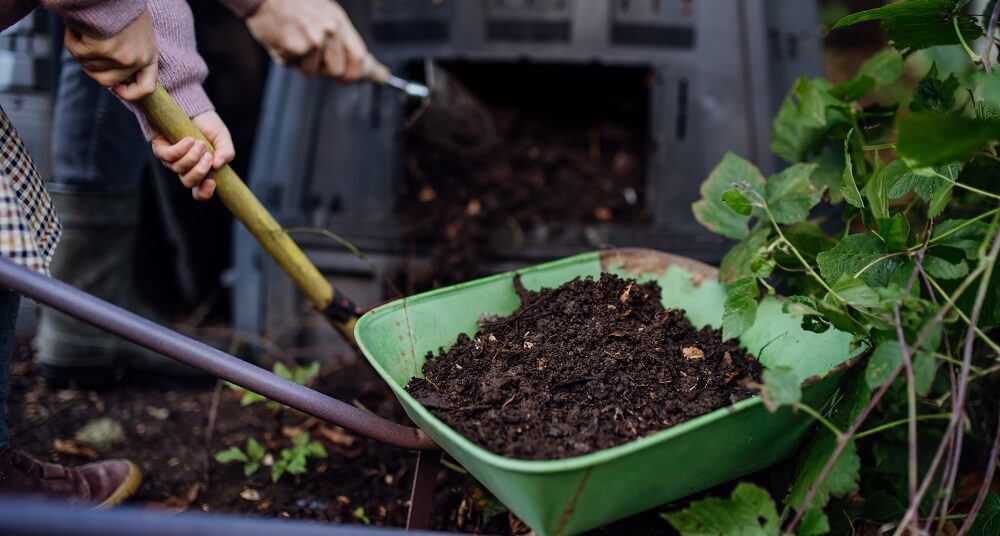
Home composting: Small-scale systems like bins or piles
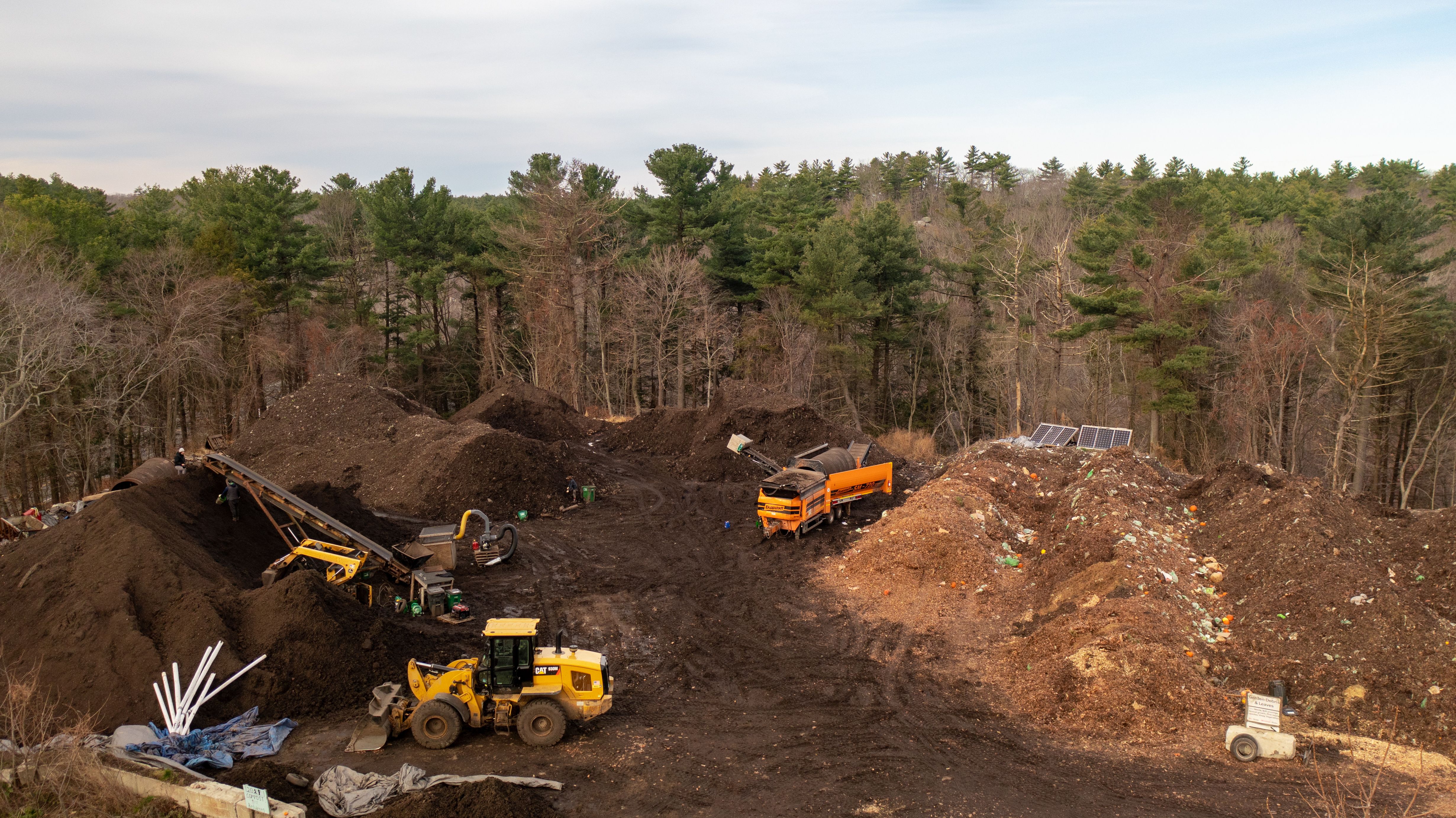
Commercial composting: Large-scale facilities that process a wider range of materials
While the fundamentals remain the same, the scale and materials accepted can vary significantly depending on the method.
How Does Composting Work?
Composting relies on a balance of key elements that allow microorganisms to thrive and break down organic matter efficiently.
The Key Ingredients
Green materials (nitrogen-rich materials): food scraps, coffee grounds, fresh grass.
Brown materials (carbon-rich materials): cardboard, paper, dry leaves.
A balanced ratio of greens and browns is essential for effective composting.
Other Critical Factors
Oxygen: Turning the pile introduces air and speeds up decomposition
Moisture: Compost should feel like a damp sponge, not too wet or too dry
Temperature: Active compost piles generate heat, which accelerates breakdown.
The Composting Process
- Materials are added and layered
- Microorganisms begin breaking them down
- Heat builds as decomposition accelerates
- Materials gradually transform into dark, crumbly compost
Depending on conditions, composting can take anywhere from a few weeks to several months.
What are the Environmental Benefits of Composting?
Composting plays a critical role in reducing environmental impact and supporting sustainable systems.
1. Reduces Landfill Waste
Food and organic materials make up a significant portion of landfill waste. Composting diverts these materials, reducing overall waste volume.
2. Cuts Methane Emissions
When organic waste breaks down in landfills, it produces methane, a greenhouse gas far more potent than carbon dioxide. Composting significantly reduces these emissions.
3. Improves Soil Health
Compost enriches soil with nutrients, improves structure, and enhances water retention, reducing the need for synthetic fertilizers.
4. Supports Regenerative Agriculture
Healthy soil is the foundation of sustainable agriculture. Compost helps restore soil ecosystems and promotes biodiversity.
5. Closes the Loop
Composting turns waste into a resource, creating a circular system where materials are reused rather than discarded.
What are the Economic Benefits of Composting?
Beyond environmental impact, composting also offers meaningful economic advantages.
Lower waste disposal costs: Businesses can reduce landfill fees by diverting organic waste
Reduced input costs: Compost can replace expensive fertilizers and soil amendments
Operational efficiency: Streamlined waste systems can improve workflows
Revenue opportunities: Finished compost and sustainability initiatives can create new value streams
For municipalities and businesses alike, composting is increasingly becoming both a financial and environmental win.
What is the Difference Between Home Composting and Commercial Composting?
Choosing between home and commercial composting depends on your needs, space, and the materials you want to compost.
Home Composting
Pros:
- Low cost
- Full control over the process
- Great for households and small gardens
Cons:
- Requires time and maintenance
- Limited materials (often excludes meat, dairy, and compostable packaging)
- Slower process
Commercial Composting
Pros:
- Accepts a wider range of materials, including food waste and certified compostable products
- Faster, controlled processes
- Scalable for businesses and communities
Cons:
- Requires access to a local service
- May involve subscription or pickup fees
Key Differences
| Factor | Home Composting | Commercial Composting |
| Materials Accepted | Limited | Wide Range |
| Speed | Slower | Faster |
| Convenience | Hands-on | Managed service |
| Scale | Small | Large |
What Can You Compost?
Understanding what belongs in your compost is key to success.
Greens (Nitrogen-Rich)
- Fruit and vegetable scraps
- Coffee grounds and filters
- Grass clippings
Browns (Carbon-Rich)
- Cardboard and paper
- Dry leaves
- Untreated wood chips
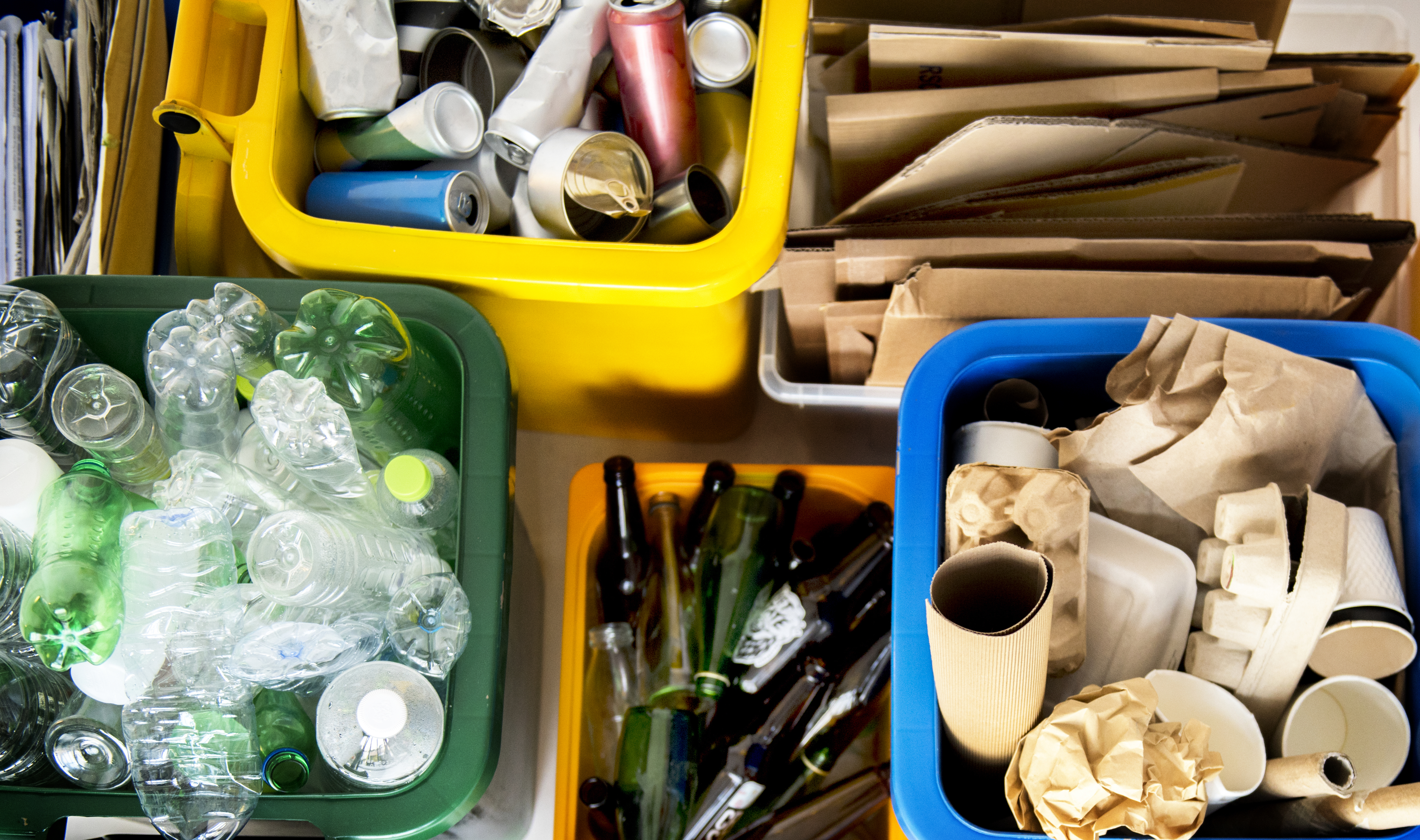
Compostable Packaging
Many commercial facilities accept certified compostable products such as:
- Cups, plates, and containers
- Compostable liners
Look for certifications like BPI to ensure items will break down properly in commercial systems.
What NOT to Compost
- Conventional plastics
- Chemicals or treated materials
- Certain foods (depending on system)
Always check what your specific composting method or service accepts.

What are Common Mistakes with Composting?
Even simple systems can run into issues. Here are some of the most common mistakes, and how to fix them.
Imbalanced greens and browns: Add more browns if it smells, more greens if it’s not breaking down
Too much moisture: Add dry materials like cardboard
Too dry: Add water or food scraps
Lack of oxygen: Turn the pile regularly
Adding the wrong materials: Follow accepted material guidelines
Small adjustments can make a substantial difference in performance.
How Can I Compost at Home?
Getting started is easier than you might think.Step-by-Step Guide
- Choose a compost bin or pile system
- Select a dry, shaded location
- Start layering greens and browns
- Turn regularly to introduce oxygen
- Monitor moisture levels
Indoor Options
- Countertop bins
- Worm composting (vermicomposting)
Small Space Solutions
Apartment dwellers can compost using compact systems or local drop-off programs.
How Do I Choose a Composting Service?
If home composting isn’t practical, a composting service can be a great alternative.What to Look For
- Materials accepted
- Pickup frequency
- Certifications and processing standards
- Transparency in operations
Questions to Ask
- What happens to the compost?
- Do you accept compostable packaging?
- How often is pickup?
Choosing the right partner ensures they compost your waste properly.
Is Composting Good for Businesses?
For restaurants, cafes, and food service operations, composting is a powerful way to reduce waste and improve sustainability.
Key Benefits
- Lower waste costs
- Improved brand perception
- Alignment with customer values
- Reduced environmental impact
Pairing composting with compostable packaging can create a seamless, low-waste system that customers recognize and appreciate.
FAQ’s
How long does composting take? Anywhere from a few weeks to several months, depending on conditions.
Does compost smell? Properly managed compost should have an earthy smell, not a foul odor.
Can you compost meat and dairy? Usually, only in commercial composting systems.
What’s the difference between biodegradable and compostable? Compostable materials break down into non-toxic components within a specific timeframe under the right conditions.
Do compostable products break down in landfills? No. Landfills lack the oxygen and conditions needed for proper composting.
Is composting worth it? Yes. It reduces waste, lowers emissions, and creates valuable soil nutrients.
Conclusion
Composting is one of the most effective ways to reduce waste and create a more sustainable system. Whether you start at home or use a composting service, each step keeps waste out of landfills. It also returns valuable nutrients to the earth.
By learning how composting works, people and businesses can help create a more circular future.
They can do this by making small, steady changes over time.