


In this article, we'll cover:
- What is rPET?
- What are the environmental benefits of rPET?
- What are the uses of rPET?
- How many times can plastic be recycled?
- What is the future of rPET and recycled plastics?
- Conclusion
As concerns about single-use plastics, overflowing landfills, and pollution grow, industries worldwide are seeking better, more sustainable options. Companies want to reduce their impact on the planet while still delivering high-quality products and packaging.
One material that is driving this shift toward more sustainable solutions is rPET, which stands for Recycled Polyethylene Terephthalate. This material is made from recycled plastic.
By giving old plastics a new life, rPET helps save natural resources. It also reduces our carbon footprint and keeps waste out of landfills and oceans. Its strength, clarity, and versatility have made it popular in many industries.
These include packaging, textiles, and other consumer goods. Both businesses and consumers want to use circular, eco-friendly solutions in their daily operations and choices. rPET provides a practical way to reach these goals.
What is rPET?
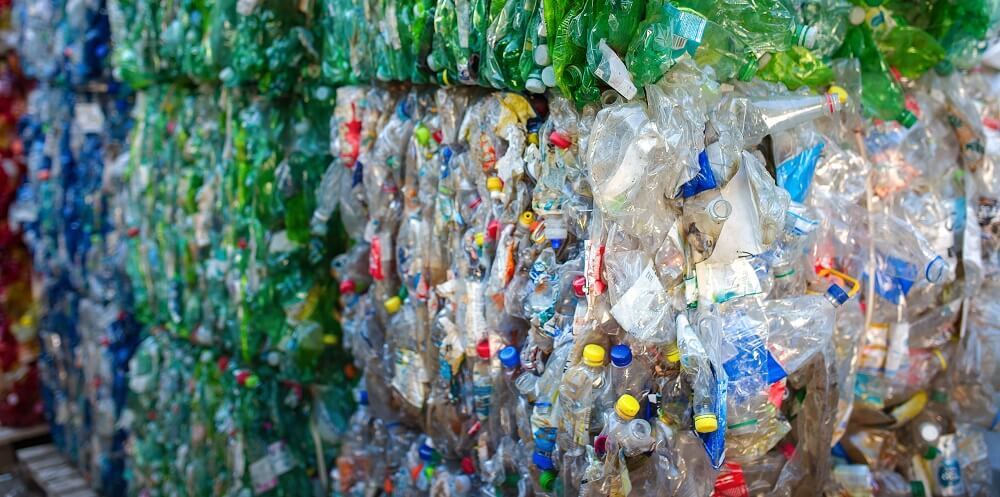
rPET, or Recycled Polyethylene Terephthalate, is a sustainable material produced by reprocessing used PET plastics into new, high-quality products. Unlike virgin PET, which comes from non-renewable oil, rPET starts as post-consumer waste. This includes items like "plastic" bottles, food containers, and packaging films that have already been used, specifically those that are labeled #1 plastic.
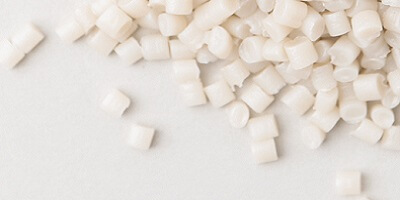
These items are collected and cleaned. They are then turned into reusable pellets. You can shape these pellets into new containers, films, and other materials.
The beauty of rPET is that it delivers almost the same performance as virgin PET. It maintains strength, clarity, and durability while significantly reducing environmental impact. By keeping plastics out of landfills and oceans, rPET helps save energy and reduce greenhouse gas emissions. This makes rPET a real way to create more sustainable and circular packaging systems.

What are the Environmental Benefits of rPET?
Choosing rPET is not just about using recycled materials. It is a step to tackle the important environmental challenges we face today. Every container or bottle made from recycled PET helps keep plastic out of landfills and waterways. This gives plastic a new life instead of adding to pollution.
Recycling plastic into rPET uses significantly less energy than making new PET. Industry analyses show that rPET reduces energy use by up to 75% and lowers greenhouse gas emissions by 50–70% compared with the production of virgin PET. Why?
Making new PET is a long, energy-heavy process. It requires:
- Extracting oil
- Refining it
- Running chemical reactions
- Creating the plastic resin from scratch
Making recycled PET (rPET) skips all of that. It only involves:
- Sorting used plastic
- Washing it
- Shredding it
- Melting it down into pellets
Because recycling avoids the oil extraction and chemical processing required to make new plastic, rPET uses significantly less energy. This results in lower carbon emissions, a smaller environmental footprint, and reduced demand for new petroleum-based materials, helping conserve finite natural resources.
Using rPET in packaging also supports a circular economy, where materials are kept in use through reuse and recycling rather than being discarded. While this is different from composting, it still delivers meaningful environmental benefits by extending the life of existing resources.

What are the Uses of rPET?
PET is a highly versatile material, and when recycled into rPET, it becomes a more sustainable option for a wide range of applications, especially food packaging.
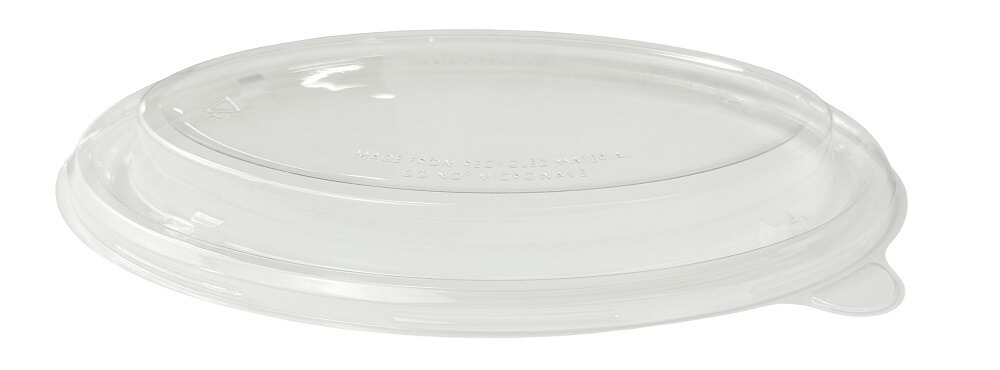
At Good Start Packaging, we use recycled PET to produce food-safe lids. These perform just like virgin plastic, keeping food secure, hot, and protected in transit, but with a significantly lower environmental impact.
rPET is also common in flexible packaging such as liners, shrink wraps, and pouches. These materials offer businesses a more sustainable alternative to conventional plastics without sacrificing durability or performance.
Another advantage of rPET is how well it complements compostable packaging. In situations where fully compostable materials aren’t practical, for example, when extra durability or moisture resistance is needed, rPET provides a reliable, lower-impact option. This versatility allows businesses to build eco-friendly packaging strategies that meet performance needs without compromising quality or functionality.
How many times can plastic be recycled?
It's important to note that most recycled plastics can only be recycled a limited number of times before they lose their usable properties.
Typically, PET plastic can be recycled 2-3 times before the polymer chains break down and the material becomes too weak to use again. This can vary based on the recycling method (mechanical versus chemical recycling)
This is why reducing, reusing, and choosing even more sustainable materials (like compostable alternatives) are so important.
Most plastics can be recycled only 2–3 times before they degrade, which is why reducing, reusing, and choosing even more sustainable materials (like compostable alternatives) is so important.
What is the future of rPET and Recycled Plastics?
Looking ahead, the future of rPET is strong. Growing consumer demand for eco-friendly products is driving more companies toward 100% recycled packaging for food, beverages, and other goods.
Plastic often gets a bad reputation. But some types, like PET, can be more eco-friendly because they can be recycled many times. Over time, the material does break down, but it can still be turned into things like strapping or other secondary products. This helps keep PET out of landfills and makes the most of its life cycle. rPET is recycled PET, and gives old PET a second life, reducing the need for new plastic, lowering emissions and saving natural resources." States Hayley Chesshir, Packaging Specialist at Paramount Global.
Advances in recycling technology are also improving rPET quality, allowing it to closely match, and sometimes surpass, the performance of virgin plastic. Better sorting, cleaning, and reprocessing systems are boosting efficiency and making rPET easier to scale.
Continued collaboration among brands, municipalities, and recycling organizations will keep more materials in circulation and out of landfills, further reducing waste and strengthening the circular economy.
Conclusion
Choosing rPET packaging helps foodservice businesses reduce reliance on virgin plastics, cut carbon impact, and meet growing customer expectations for sustainable options, all without sacrificing performance for takeout or delivery.
As recycling technology improves, rPET has become a strong complement to compostable packaging, offering durability and moisture resistance when compostables aren’t the right fit.
For operators working with Good Start Packaging, rPET offers a reliable, food-safe, and lower-impact solution that supports a more circular, responsible packaging strategy.