

In this article, we'll cover:
- What is FSC Certification?
- What does FSC stand for?
- Types of FSC certifications explained
- Why FSC certification matters in packaging
- How to identify FSC certified products
- Does Good Start Packaging Sell FSC Certified Products?
- Frequently Asked Questions about FSC Certification
What is FSC Certification?
It sets strict environmental, social, and economic standards to guarantee that:
- Wood and paper materials are legally sourced
- Forest ecosystems are protected
- Workers and communities are treated ethically
- Supply chains are traceable through chain-of-custody certification
This traceability is critical in packaging, where the material's origin directly affects environmental claims. For foodservice brands, retailers, and e-commerce businesses, FSC-certified packaging offers both environmental credibility and regulatory confidence.
What does FSC stand for?
FSC® stands for the Forest Stewardship Council® certification. Established in 1993 as a global nonprofit organization, FSC remains one of the most recognized forestry certification systems worldwide.
When you see the FSC label on packaging or paper products, it indicates that the materials meet strict third-party standards for responsible forestry.
Types of FSC Certifications Explained
Understanding the types of FSC certification helps businesses choose the right material for their sustainability goals.
FSC® 100%
FSC 100% that all of the wood or paper in a product comes entirely from forests that are responsibly managed and certified by the Forest Stewardship Council®.
In simple terms, every tree used to make that product was grown and harvested under strict environmental and social standards. These forests are carefully managed to protect wildlife, maintain healthy soil and water, prevent illegal logging, and respect the rights of workers and Indigenous communities.
When you see FSC® 100%, it means the material came directly from a well-managed forest, not from recycled sources or mixed supply streams. This certification is ideal for brands seeking the maximum level of responsible sourcing verification.
FSC® Recycled
FSC Recycled products are made entirely from recycled paper instead of new trees.
This includes:
- Post-consumer recycled content
- Pre-consumer recycled material
This is important because it helps reduce pressure on forests, especially virgin or old-growth forests.
Old-growth forests are very old, natural forests that have developed over hundreds (sometimes thousands) of years without major disturbance. They provide critical wildlife habitat, store large amounts of carbon, and support complex ecosystems that can’t be easily replaced once lost.
FSC® Mixed
FSC Mix certification includes a combination of:
- FSC-certified fiber
- Recycled materials
- Controlled wood
Controlled wood isn’t fully FSC-certified, but it is carefully checked to ensure it’s legally harvested and not sourced from high-risk areas such as illegal logging or endangered forests. In plain terms, FSC® Mix products still support responsible forestry, but they blend different approved material sources rather than coming from a single type.
FSC® certification applies to a wide range of paper and wood-based products. Common FSC® certified packaging products include paper cups, paper bowls, food containers, utensils, and paper bags.
By choosing FSC® certified products across these categories, businesses can support responsible forest management while meeting growing consumer expectations for sustainable packaging.

Why Does FSC Certification Matter?
FSC certification helps make sure the paper used in packaging comes from forests that are managed responsibly. That means protecting wildlife, keeping water and soil healthy, and preventing illegal logging. It also ensures workers are treated fairly and Indigenous communities are respected. For businesses, FSC certification provides trusted proof that their packaging materials are sourced responsibly, not just marketed that way.
How to Identify FSC Certified Products
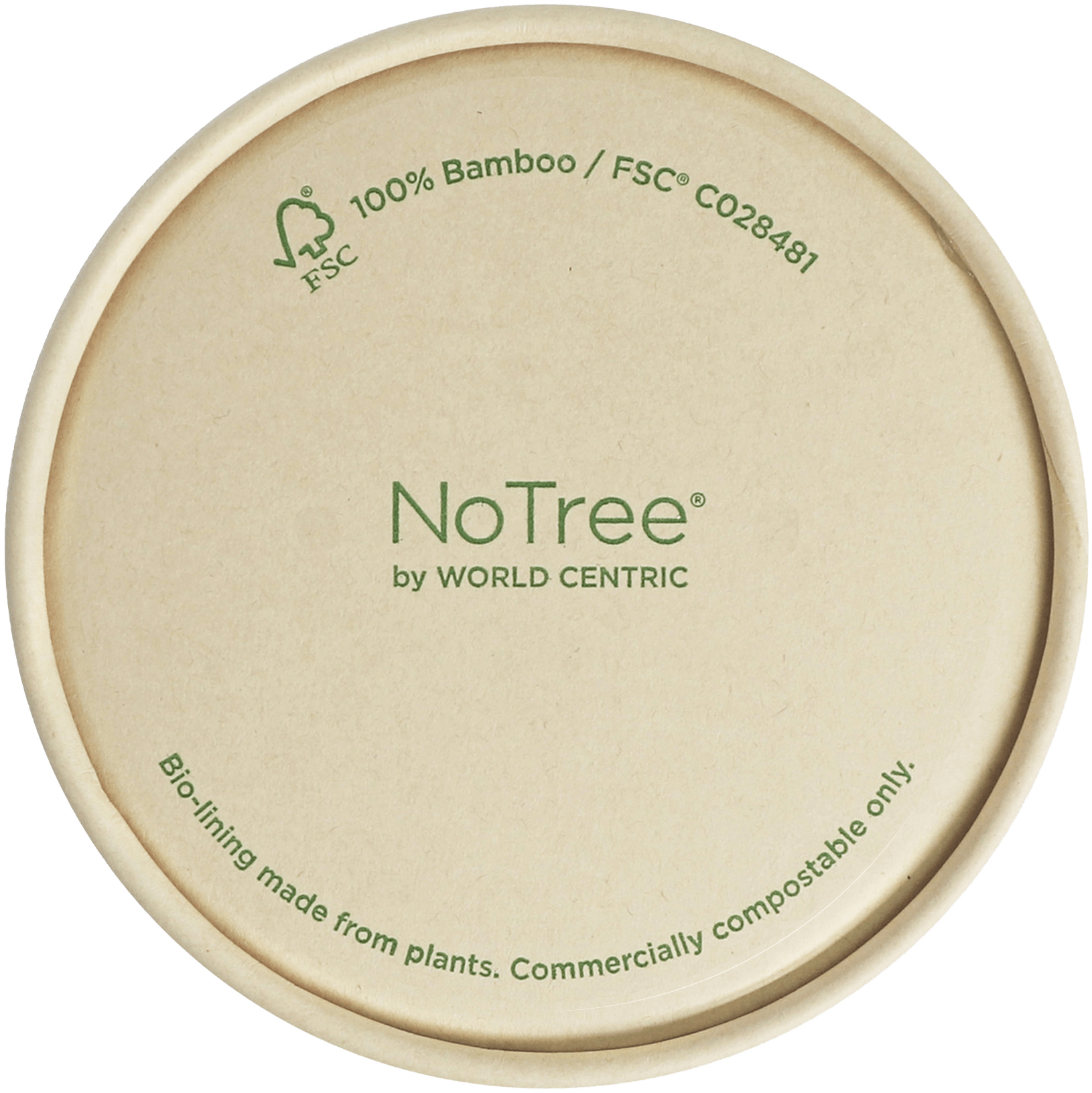
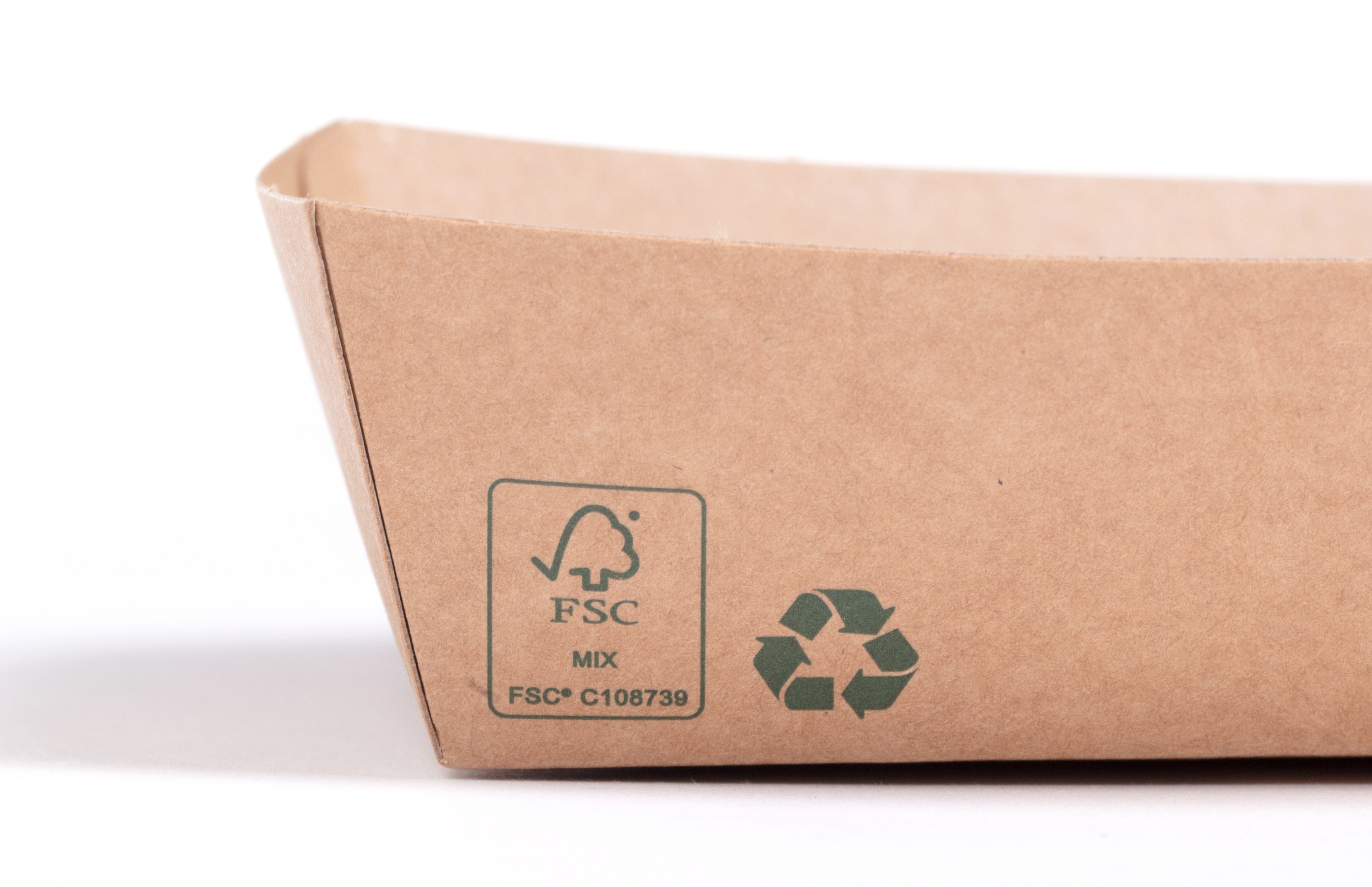
Identifying FSC-certified packaging is straightforward when you know what to look for.Look for:
- The official FSC logo on packaging
- A license code beneath the logo
- Certification type (FSC 100%, FSC Recycled, or FSC Mix)
When available, review chain-of-custody documentation to confirm traceability. This is a tracking system that follows certified wood or paper from the forest to the finished product.
Every company that handles the material, from the sawmill to the paper mill to the packaging manufacturer, must be certified and keep records showing where the material came from and where it goes next. This system ensures that when a product carries the FSC® label, it truly contains responsibly sourced materials.
Does Good Start Packaging Sell FSC Certified Products?
At Good Start Packaging, we prioritize third-party verified sustainability standards.
We choose FSC certified materials because they provide:
- Transparency
- Accountability
- Global recognition
- Reduced greenwashing risk
As a mission-driven packaging supplier, we believe environmental claims should be backed by credible certification, not just marketing language.
By offering FSC-certified packaging options, we help our customers align with responsible sourcing practices while meeting growing consumer and regulatory expectations.
Frequently Asked Questions About FSC Certification
Is FSC certification required for sustainable packaging?
No, but it is widely recognized as one of the most credible global forestry certifications.
Is FSC better than “responsibly sourced” claims?
Yes. FSC certification requires independent third-party verification, while generic “responsibly sourced” claims may not.
Does FSC certification mean the product is recyclable or compostable?
Not necessarily. FSC certification refers specifically to responsible forest management and sourcing, not end-of-life disposal.
Conclusion: Why FSC Certification Is a Trusted Sustainability Benchmark
FSC certification remains one of the most respected global standards for responsible forest management. By protecting ecosystems, supporting ethical labor practices, and ensuring supply chain transparency, FSC-certified packaging helps brands make credible sustainability commitments.
As demand for sustainable packaging continues to grow in 2026 and beyond, FSC certification serves as a trusted benchmark for responsible paper sourcing. For businesses seeking environmentally responsible packaging solutions, FSC-certified materials offer a measurable impact backed by independent verification.