



In this article, we'll cover:
- What Does ASTM Stand For?
- What Are ASTM Standards for Compostable Packaging?
- ASTM D6400: The Standard for Compostable Plastics
- ASTM D6868: Compostable Coated Paper & Fiber
- ASTM D5338: The Biodegradation Test Method
- ASTM vs BPI: What’s the Difference?
- Do ASTM Standards Apply to Home Composting?
- Why ASTM Certification Matters
- How ASTM Standards Relate to Regulations & EPR
What Does ASTM Stand For?
ASTM originally stood for the American Society for Testing and Materials. Today, it is known simply as ASTM International, a globally recognized organization that develops consensus-based technical standards across industries.
For compostable packaging, ASTM establishes:
- Testing protocols
- Biodegradation criteria
- Disintegration thresholds
- Safety and toxicity limits
These standards define what “compostable” legally and scientifically means in commercial composting environments. This helps composters ensure materials break down on time and do not harm compost quality.
These standards also help consumers feel confident that products labeled “compostable” really meet strict performance standards. This standardization creates a common language in the industry and makes it easier to compare materials and trust sustainability claims.

What Are ASTM Standards for Compostable Packaging?
ASTM compostability standards define three core requirements:
- Biodegradation – The material must break down into carbon dioxide, water, and biomass through microbial activity.
- Disintegration – The material must physically fragment so that it passes through a 2 mm screen after composting.
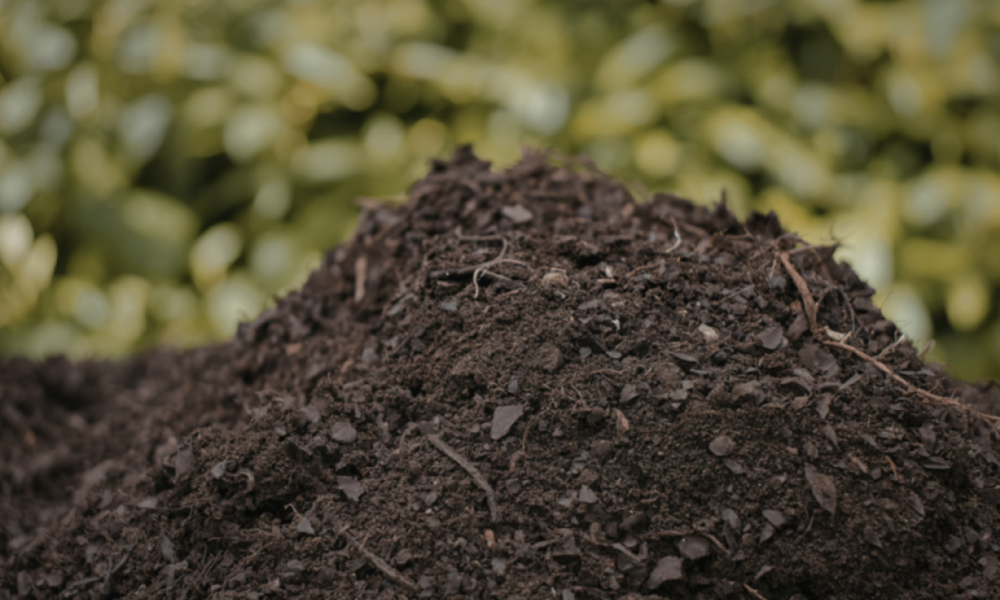
- Environmental Safety – The finished compost must not contain harmful heavy metals or toxins and must support plant growth.
Only materials that meet all criteria can be considered compostable under ASTM standards.
ASTM D6400: The Standard for Compostable Plastics
ASTM D6400 is the primary standard for compostable plastics.
It applies to:
- PLA-based products
- Bioplastic films
- Compostable cutlery
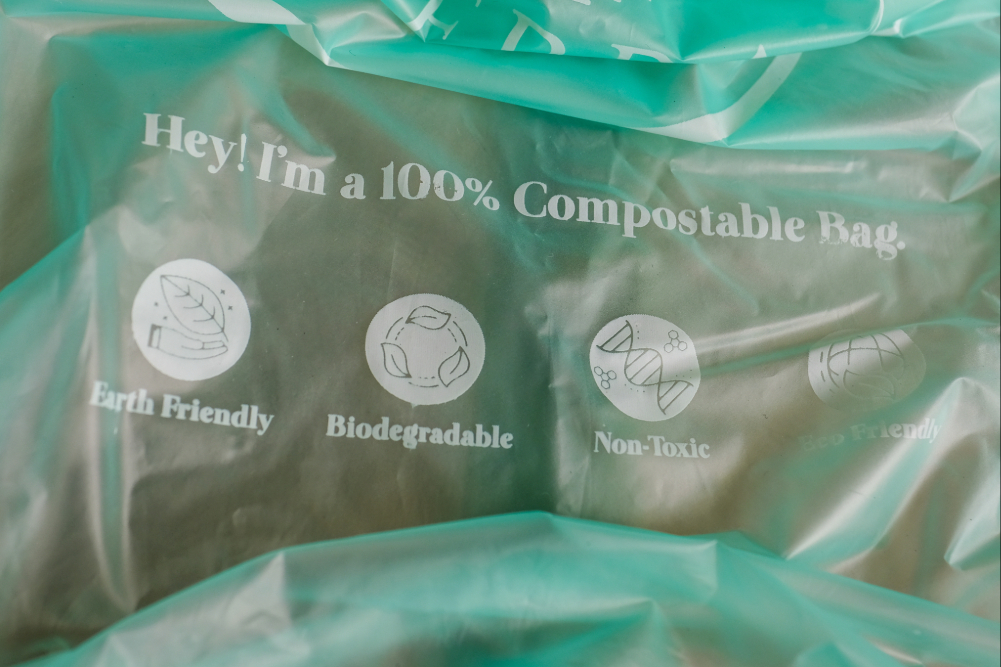
- Compostable bags
To comply, materials must:
- Biodegrade within a specified timeframe in industrial composting conditions
- Disintegrate so no visible fragments remain
- Leave no toxic residues
- Support healthy plant growth
ASTM D6400 applies to industrial composting environments, not backyard compost piles.
ASTM D6868: Compostable Coated Paper & Fiber
ASTM D6868 applies to paper, fiber, and molded pulp products that incorporate a compostable coating or lining. This can include:
- Fiber bowls
- Compostable coffee cups
- Molded pulp containers
- Takeout packaging with bioplastic linings
For compliance:
- Both the fiber substrate and the coating must biodegrade.
- The entire product must meet the same biodegradation, disintegration, and safety standards required under D6400.
This ensures coated fiber products perform as sustainably as they claim.

ASTM D5338: The Biodegradation Test Method
ASTM D5338 is a laboratory test method used to measure how quickly a material biodegrades under controlled conditions.
It simulates:
- The temperature
- Humidity
- Microbial activity found in industrial composting facilities
While D5338 is not a certification standard in its own right, it provides essential data for evaluating compliance. Data from D5338 testing supports certification under D6400 and D6868.
ASTM vs BPI: What’s the Difference?
This is one of the most common areas of confusion.
- ASTM develops the compostability standards.
- BPI (Biodegradable Products Institute) certifies products against ASTM standards.
In other words, ASTM creates the rules. BPI verifies that products meet them.
Many municipalities and composters require third-party certification (like BPI) in addition to ASTM compliance.
Do ASTM Standards Apply to Home Composting?
No.
ASTM D6400 and D6868 are designed for industrial composting facilities, where:
- Temperatures reach 130–160°F
- Microbial activity is tightly managed
- Materials are processed consistently
Home compost systems typically do not reach the required temperatures for ASTM-certified products to fully break down.
If packaging is labeled compostable under ASTM standards, it should be assumed to require commercial composting unless explicitly labeled “home compostable.”
Why ASTM Certification Matters
ASTM-compliant packaging:
- Reduces contamination risk in compost streams
- Supports municipal waste diversion programs
- Aligns with corporate procurement policies
- Helps brands avoid greenwashing claims
- Supports regulatory compliance and EPR readiness
Composting facilities rely on ASTM standards because testing mimics real-world industrial composting conditions.
Without standardized criteria, compost streams would be vulnerable to contamination and operational disruption.
How ASTM Standards Relate to Regulations & EPR
Many public agencies and corporate procurement programs require compostable packaging to meet ASTM D6400 or D6868.
ASTM compliance can:
- Support Extended Producer Responsibility (EPR) reporting
- Reduce regulatory risk
- Align with compost facility acceptance criteria
- Strengthen sustainability disclosures
As compost infrastructure expands, ASTM standards continue to serve as the benchmark for responsible compostable packaging.
Conclusion
ASTM standards provide the scientific framework behind trustworthy compostable packaging claims. By defining clear requirements for biodegradation, disintegration, and environmental safety, ASTM standards ensure that materials perform as intended in industrial composting environments.
For manufacturers, brands, and municipalities, ASTM compliance is the foundation of credible, scalable compostability.