

In this article, we'll cover:
- Why Are Plastic Bags Harmful to the Environment?
- What are the Pros and Cons of Banning Plastic Bags?
- Where Have Plastic Bags Already Been Banned?
- Why Did Plastic Bags Become So Popular?
- What Are the Alternatives to Plastic Bags?
- Do Plastic Bag Bans Actually Work?
- Frequently Asked Questions About Bag Bans
- Conclusion: Should Plastic Bags Be Banned?
Single-use plastic bags are one of the most common and most debated forms of packaging worldwide. Designed for convenience, they are typically used for only a few minutes. Yet plastic bags can persist in the environment for hundreds of years.
Below, we break down the environmental impact of plastic bags, the pros and cons of banning them, where bans are already in place, and what sustainable alternatives exist today.
Why Are Plastic Bags Harmful to the Environment?
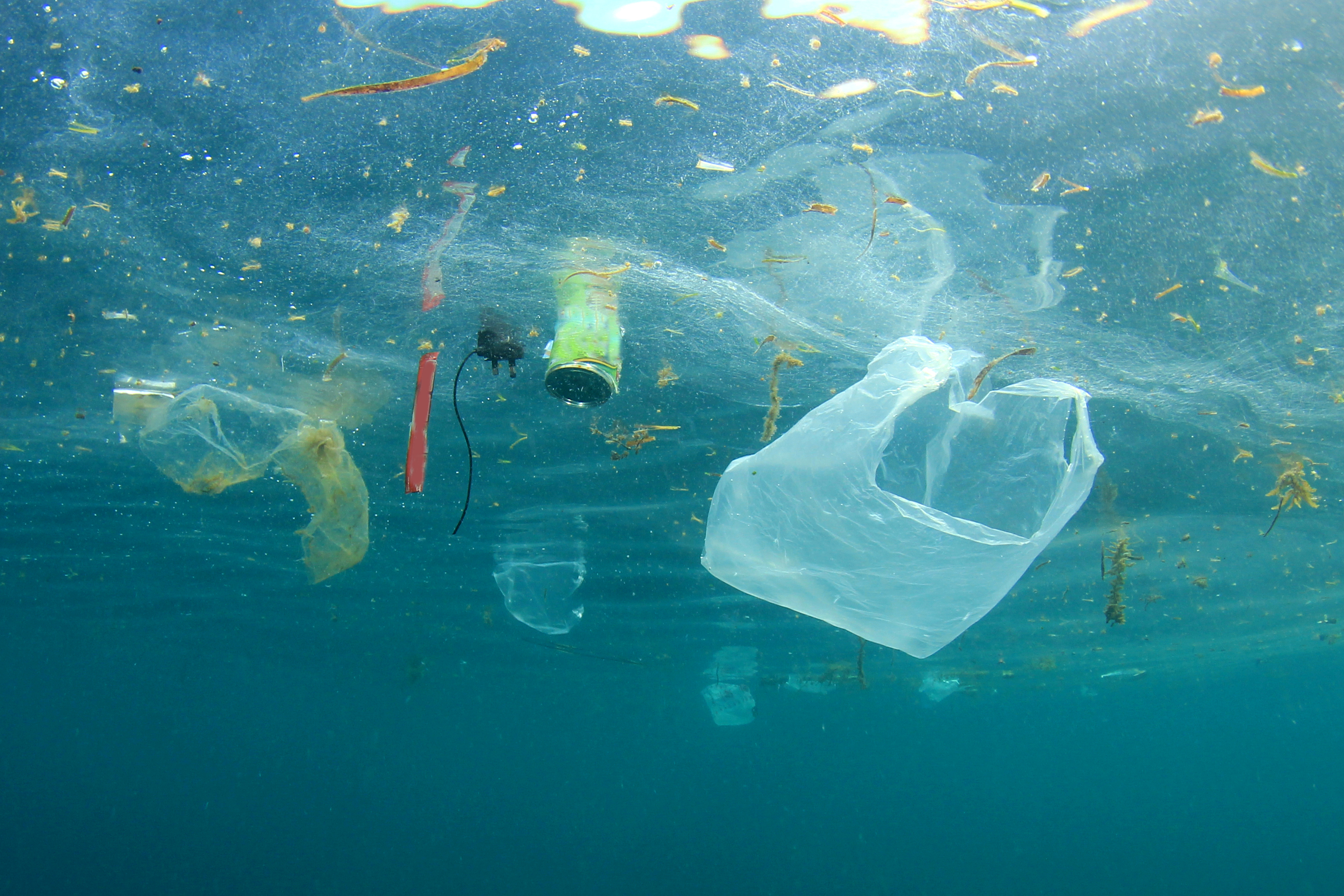
Plastic bags do not break down. Instead, they fragment into smaller pieces known as microplastics, which contaminate soil, rivers, oceans, and even drinking water systems.
Key environmental concerns include:
- Long lifespan: Plastic bags can take 500+ years to fully break down.
- Low recycling rates: Recent analysis shows that less than 6% of plastic waste in the United States is recycled, highlighting the low recycling rates for products like plastic bags that are not accepted in most municipal recycling systems
- Recycling challenges: Their thin film material jams sorting equipment and is rarely accepted in curbside programs.
- Wildlife harm: Marine animals often mistake floating bags for food. Birds and land animals can become entangled, leading to injury or suffocation.
- Microplastic pollution: Fragmented plastic enters the food chain through fish and other wildlife.
Because plastic bags are lightweight, they are also easily carried by wind and water, making them one of the most common forms of litter found in waterways and coastal cleanups.
What are the Pros and Cons of Banning Plastic Bags?
To fully answer the question “should plastic bags be banned?”, it’s important to consider both sides.
Pros of Plastic Bag Bans
- Reduce plastic litter in waterways and public spaces
- Lower municipal cleanup costs
- Decrease wildlife injury and ingestion
- Encourage reusable bag adoption
- Reduce overall single-use plastic consumption
Studies from regions with bag bans show measurable reductions in plastic bag litter and increased use of reusable alternatives. For example, a 2025 study published in Science found that jurisdictions with plastic bag bans or fees collected 25% to 47% fewer plastic bags during shoreline cleanups than areas without such policies.
Cons of Plastic Bag Bans
- Retailers may face higher packaging costs
- Paper or thicker alternatives may require more resources to produce
- Hygiene concerns with reusable bags if not cleaned properly
- Accessibility concerns for certain communities
While plastic bags are environmentally problematic, they are inexpensive, strong, moisture-resistant, and convenient. These characteristics explain why they became so widely adopted in the first place.
However, critics of single-use plastics argue that short-term convenience does not outweigh long-term environmental harm.
Where Have Plastic Bags Already Been Banned?
Plastic bag bans are gaining momentum across the United States and globally.
Several U.S. states have enacted statewide plastic bag bans or restrictions, including:
- California
- New York
- New Jersey
- Vermont
- Maine
- Oregon
- Colorado
- Delaware
- Hawaii (through county-level bans)
These policies often follow successful local ordinances and have led to measurable reductions in plastic bag use and litter, particularly in waterways and coastal areas.
Across the globe, more than 90 countries and territories have implemented full or partial bans on plastic bags, reflecting a major international shift away from single-use plastics toward stronger environmental protection measures.
Why Did Plastic Bags Become So Popular?
Despite growing environmental concerns, plastic bags became widespread for practical reasons:
- Lightweight and easy to transport
- Strong relative to their weight
- Water-resistant
- Extremely inexpensive to produce
- Compact and easy to store
For consumers, they were convenient. For retailers, they were cost-effective. For decades, the environmental impact was largely overlooked.
Today, greater awareness of plastic pollution has shifted public opinion and policy priorities.
What Are the Alternatives to Plastic Bags?
As bans expand, businesses and consumers are exploring more sustainable bag options.
Reusable Bags
Cloth, canvas, and recycled-material totes are designed for repeated use. Over time, they can replace hundreds of single-use plastic bags.
Recycled Paper Bags
Paper bags made with recycled content are a solid recyclable option when reuse just isn’t realistic. While paper production does have environmental impacts, paper tends to break down more easily than plastic and is widely accepted in most recycling programs.
Tip: Look for bags made with post-consumer recycled (PCR) content to lower your overall footprint. In many areas with bag regulations, the requirement is at least 40% post-consumer recycled content, so it’s always a good idea to double-check your local guidelines.
Certified Compostable Bags
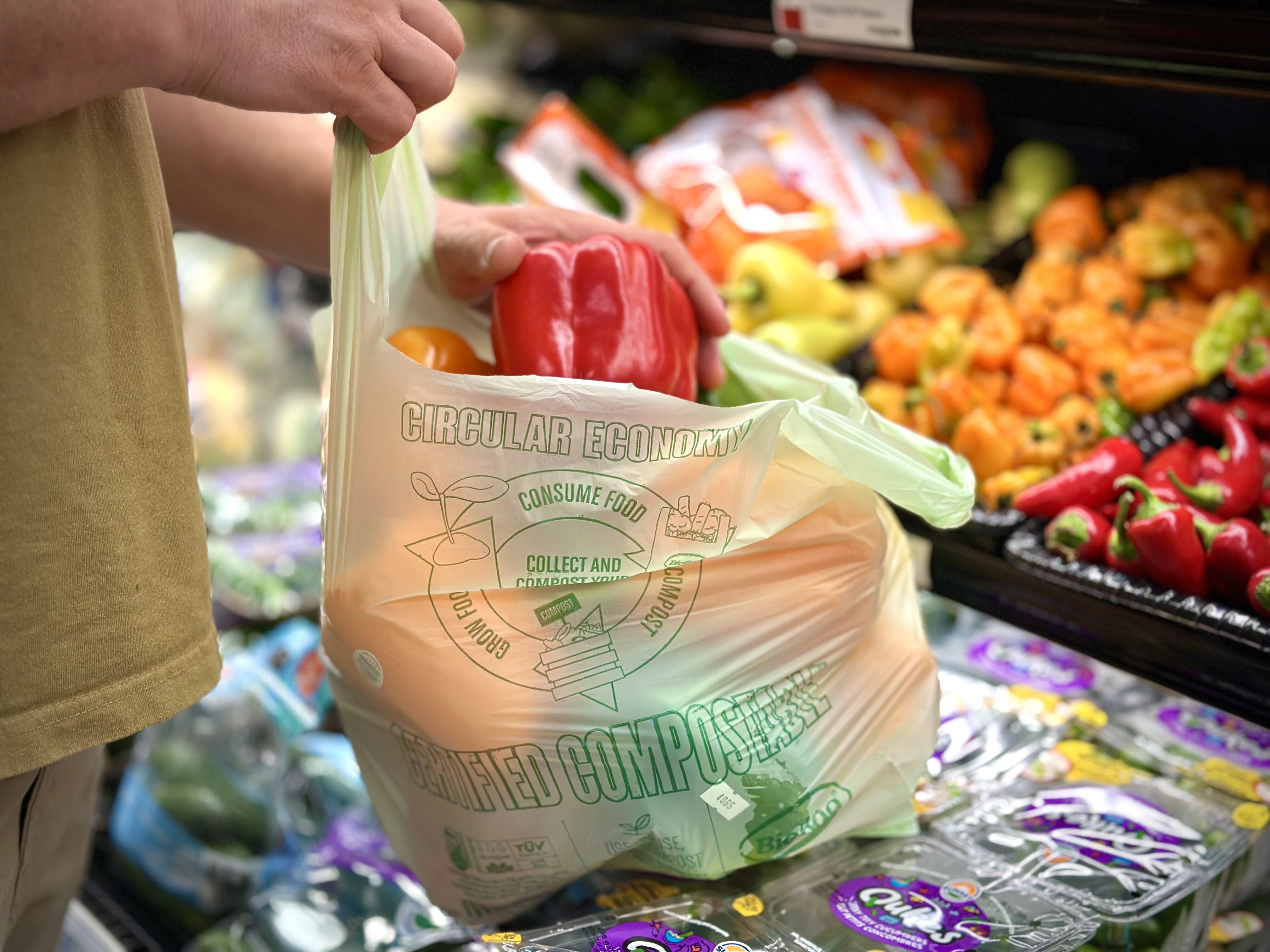
In situations where single-use bags are unavoidable, like in foodservice or for collecting food scraps, certified compostable bags can be a better fit. They’re designed to break down in commercial composting facilities rather than stick around as long-term plastic pollution.
The most sustainable choice depends on your local waste system, how the bag will actually be used, and whether it’s likely to be reused.
Do Plastic Bag Bans Actually Work?
Evidence suggests that plastic bag bans and fees significantly reduce plastic bag consumption and litter: research from Environment America and partner organizations found that studied bans cut single-use plastic bag usage by billions of bags per year, reduced plastic bag litter by one-third or more, and encouraged greater adoption of reusable alternatives
Communities with bans have reported:
- Sharp declines in plastic bag distribution
- Reduced plastic debris in storm drains and coastal cleanups
- Increased reusable bag usage
Plastic bag bans aren’t a complete fix, but they address one of the most obvious and avoidable sources of waste, making them a practical place to start.
Frequently Asked Questions About Bag Bans
Are plastic bags recyclable?
Technically, yes. But they are rarely accepted in curbside recycling programs. Many must be returned to store drop-off programs, and recycling rates remain low.
Are paper bags better than plastic bags?
Paper bags break down more quickly and are widely recyclable, but they require more energy and water to produce. Reusable bags generally have the lowest long-term environmental impact when used consistently.
Why are plastic bags bad for wildlife?
Animals may ingest plastic bags, mistaking them for food, or become entangled, leading to injury or death.
What states have banned plastic bags?
States including California, New York, New Jersey, Vermont, Maine, Oregon, Colorado, Delaware, and Hawaii have implemented bans or restrictions.
Conclusion: Should Plastic Bags Be Banned?
Plastic bags offer short-term convenience and low upfront cost. However, their long lifespan, low recycling rates, and impact on ecosystems have made them a growing environmental concern.
Plastic bag bans are one of the most visible and measurable ways communities are addressing single-use plastic pollution. While not a complete solution to global waste challenges, they represent a meaningful step toward reducing unnecessary plastic consumption.
Ultimately, the question may not be whether plastic bags should be banned, but how businesses, consumers, and policymakers can transition responsibly to more sustainable alternatives.