


In this article, we'll cover:
- What are microplastics (and nanoplastics)?
- Where do microplastics in food come from?
- What current research says about the health risks
- How can consumers reduce exposure?
- How can food service businesses reduce microplastics operationally?
- Frequently asked questions about microplastics in food
What Are Microplastics (and Nanoplastics)?
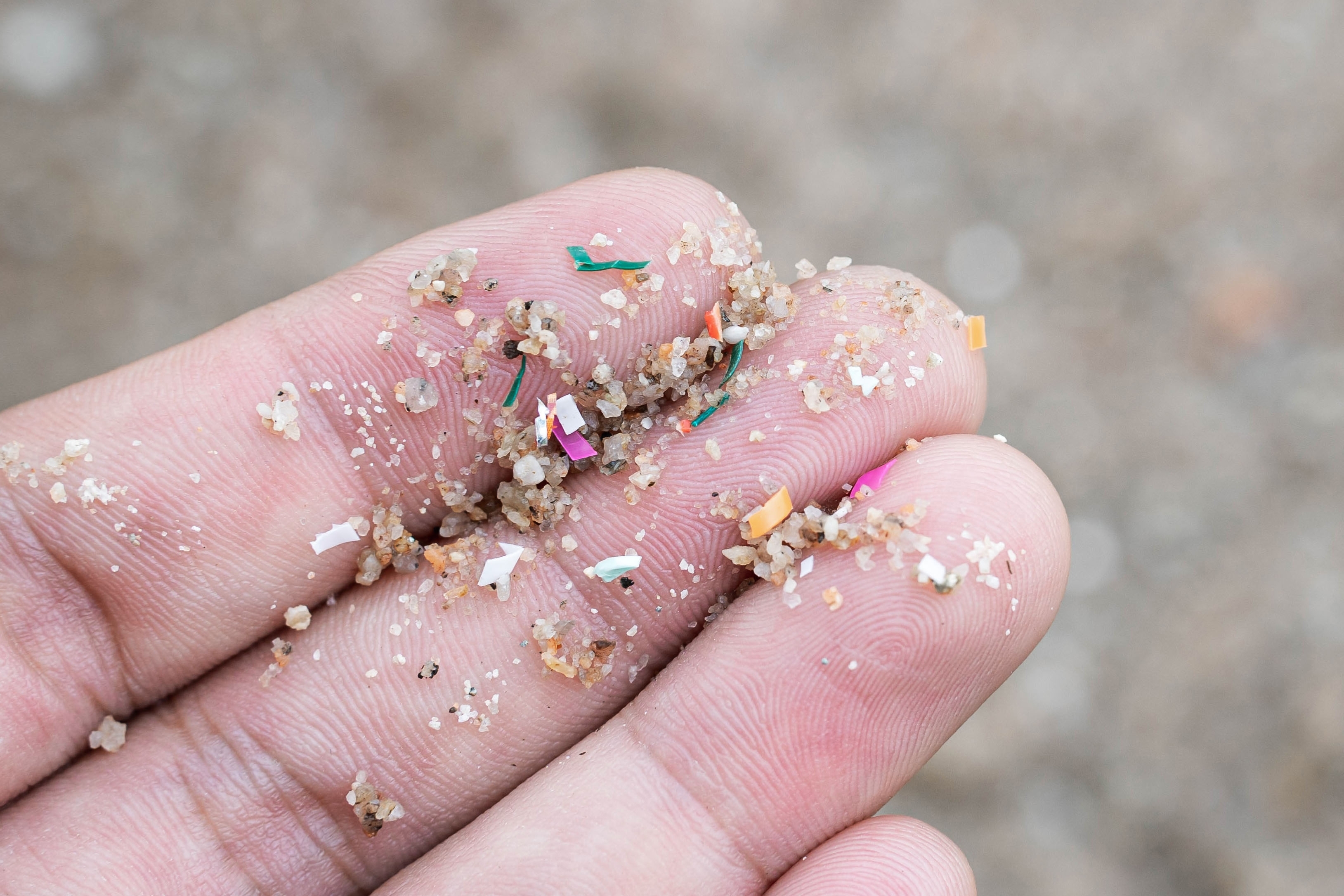
Microplastics are plastic particles typically defined as being smaller than 5 millimeters. Researchers measure nanoplastics in micrometers or nanometers. They often stay invisible to the naked eye because they are so small.
These particles fall into two main categories:
1. Primary microplastics
Intentionally manufactured small plastic particles (such as microbeads previously used in cosmetics, now restricted in many regions).
2. Secondary microplastics
Particles that form when larger plastic products break down due to:
- Heat
- UV radiation
- Friction
- Mechanical wear
- Washing
- Repeated reuse
Unlike organic materials, plastics do not biodegrade in the traditional sense. Instead, they fragment over time into smaller and smaller pieces that persist in the environment.
As particles get smaller, they may behave differently in biological systems, which is why nanoplastics are receiving increasing scientific attention.
Where Do Microplastics in Food Come From?
Microplastics can enter food at many points along the supply chain, from production and processing to packaging, preparation, and storage.
Common sources include:
1. Food-contact materials
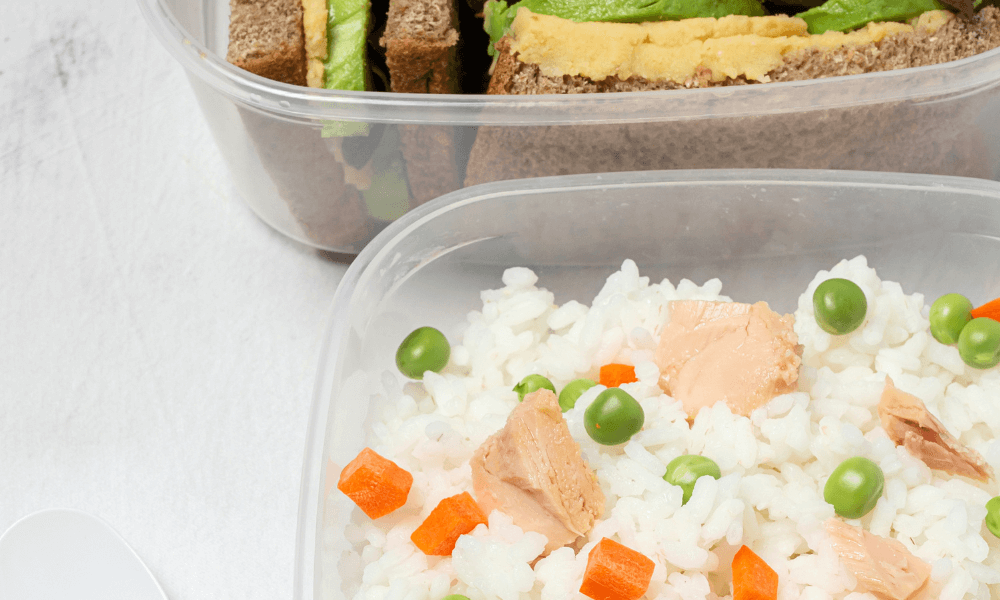
Plastic wraps, containers, linings, coatings, and lids can shed particles over time, especially when exposed to:
- Heat (microwaving or hot filling)
- Repeated use
- Scratching or abrasion
- Stacking and transport friction
This is one of the most controllable exposure pathways. In simple terms, the more plastic touches your food, especially when it’s hot or worn down, the more opportunity there is for tiny particles to transfer.
2. Food Processing Equipment
Plastic components used in food production can contribute particles during high-volume or high-friction processing.
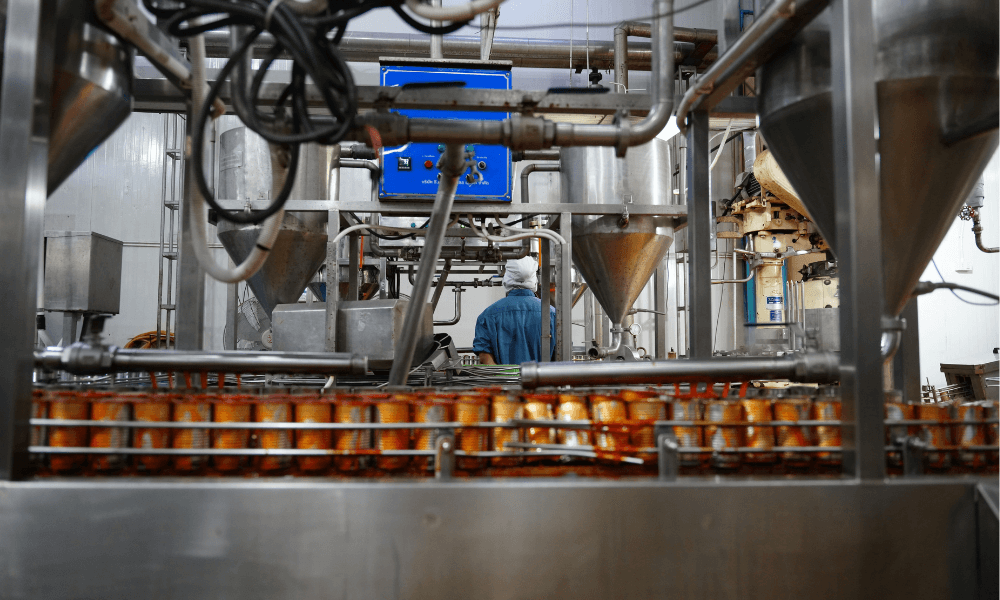
Large-scale mixing, grinding, pumping, and packaging can create constant friction, which may slowly wear down plastic parts over time.
3. Single-use takeout containers, lids, and linings
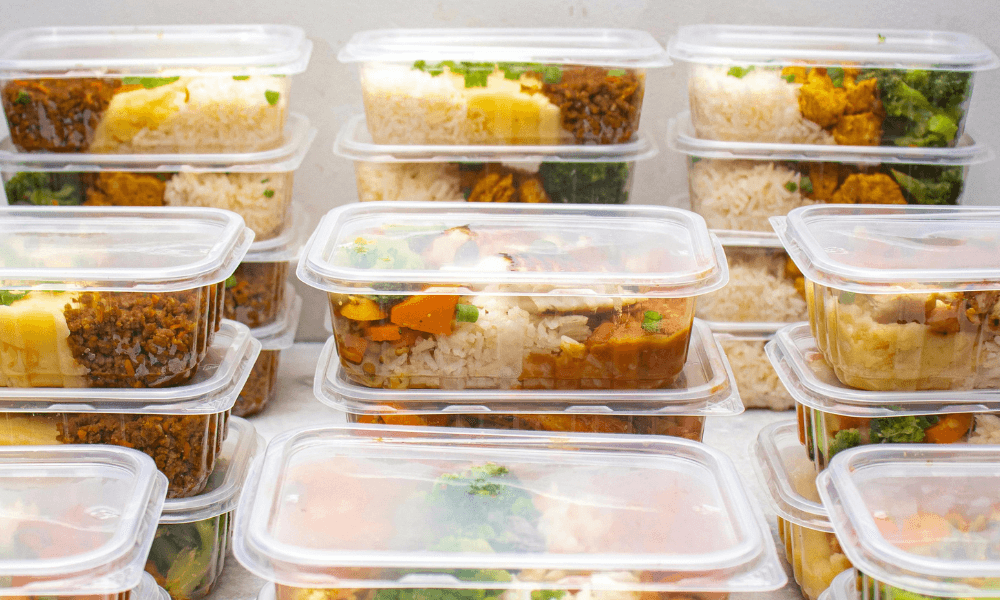
According to researchers studying plastic pollution, takeout packaging may be an overlooked source of microplastics in our food.
“While it can be difficult to draw direct conclusions between our food and the presence of microplastics, there is growing evidence that packaging acts as a source of plastic pollution for us. These particles can shed from packaging due to heat and physical wear, with high temperatures (i.e. microwaving) acting as a catalyst.” States Charles Rolsky, a Senior Research Scientist from the Shaw Institute.
When containers are squeezed, bent, reheated, or filled with hot food, the plastic can break down more quickly at the microscopic level.
4. Environmental Contamination
Microplastics are present in:
- Water sources
- Seafood
- Sea salt
- Agricultural soil
- Irrigation systems
Because plastic pollution is now widespread in the environment, tiny particles can enter food long before it ever reaches packaging.
5. Plastic Bags & Waste Mismanagement
While plastic bags are technically recyclable, they are not accepted in most curbside recycling programs. Their thin, flexible material frequently jams recycling machinery, making them expensive and inefficient to process. As a result, most plastic bags end up in landfills or as litter.
Over time, these discarded bags break down into smaller and smaller fragments, contributing to the growing amount of microplastics in our soil, waterways, and food systems.
6. Cross-contamination during handling and storage
Scratched or worn plastic surfaces are more likely to shed particles into food. Among these, food-contact materials such as cutting boards, storage containers, takeout containers, and squeeze bottles are among the most actionable exposure points, particularly for food service operations.
What Are the Health Risks of Microplastics in Food?
Research is still developing, but current studies suggest:
- Microplastics may trigger inflammation.
- They can carry other chemicals or environmental pollutants.
- Smaller nanoplastics may behave differently in biological systems.
Most evidence currently comes from laboratory and animal studies, though human research is expanding rapidly.
Key unanswered questions include:
- What is the long-term impact of chronic exposure?
- What dose thresholds are meaningful?
- How do nanoplastics behave differently from larger particles?
Because of these unknowns, many environmental health experts recommend a precautionary approach: Reduce exposure in areas where practical alternatives already exist, especially food-contact materials.
How Can Consumers Reduce Microplastics in Food?
Completely avoiding microplastics is unrealistic. However, a meaningful reduction is possible.
1. Avoid Heating Food in Plastic
Heat accelerates plastic breakdown and increases particle shedding. Use glass, stainless steel, or certified compostable fiber packaging instead.
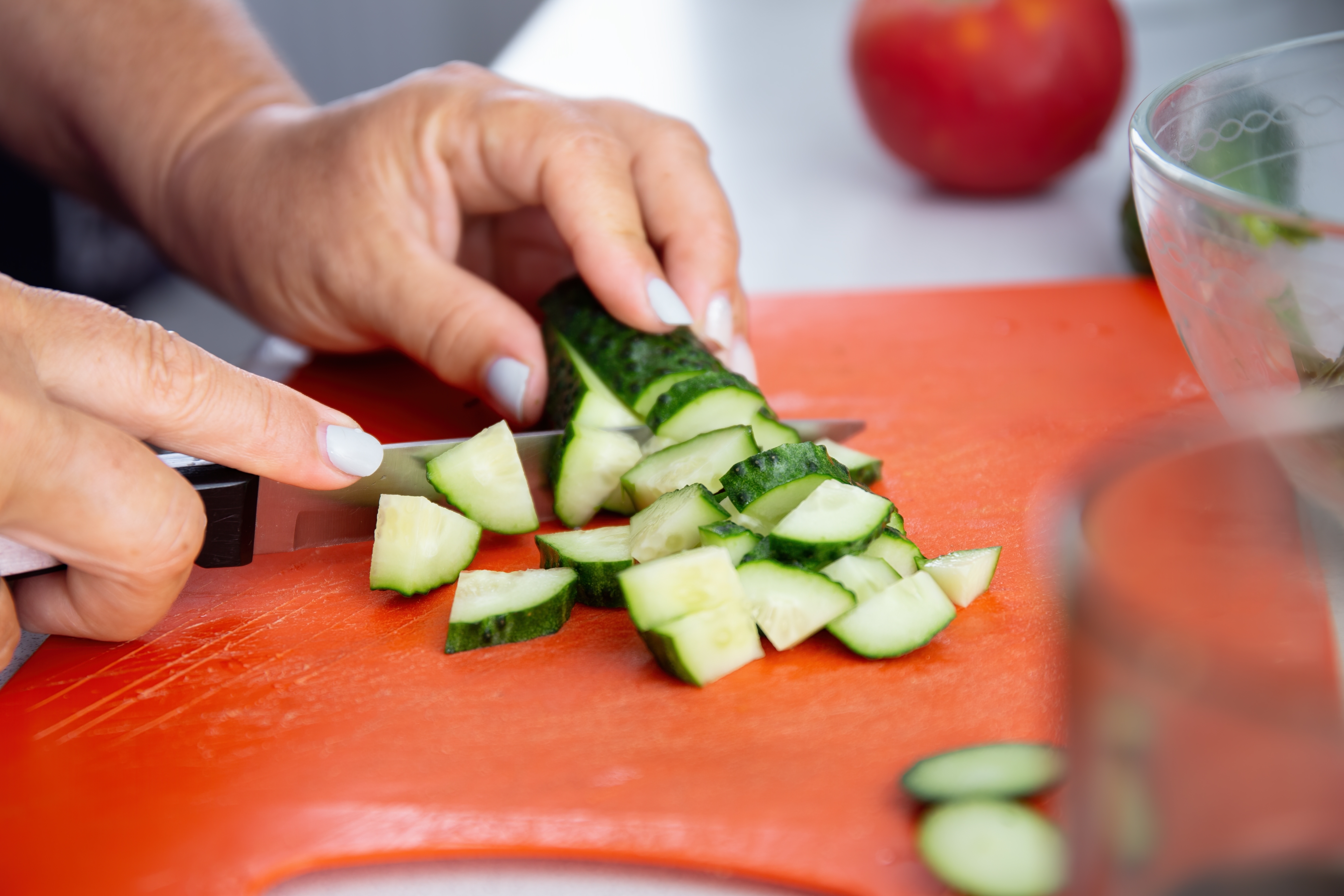
2. Replace Worn or Scratched Plastic
Visible wear increases shedding risk. Replace damaged containers and cutting boards.
3. Choose Eco-Conscious Businesses
Look for restaurants and cafes that prioritize sustainable operations and use compostable packaging.
4. Minimize Friction & Abrasion
Avoid scraping plastic utensils aggressively or stacking hot food in thin plastic containers.
Small changes in daily habits, especially around direct food contact, can significantly reduce your potential exposure over time.
How Can Food Service Businesses Reduce Microplastics in Operations?
For food service operators, microplastic reduction aligns with both food safety and sustainability goals.
1. Audit Food-Contact Materials
Identify and replace plastic tools and surfaces that come into direct contact with food, such as cutting boards, high-wear prep surfaces, and storage containers.
2. Transition Away from Conventional Plastic Takeout Packaging
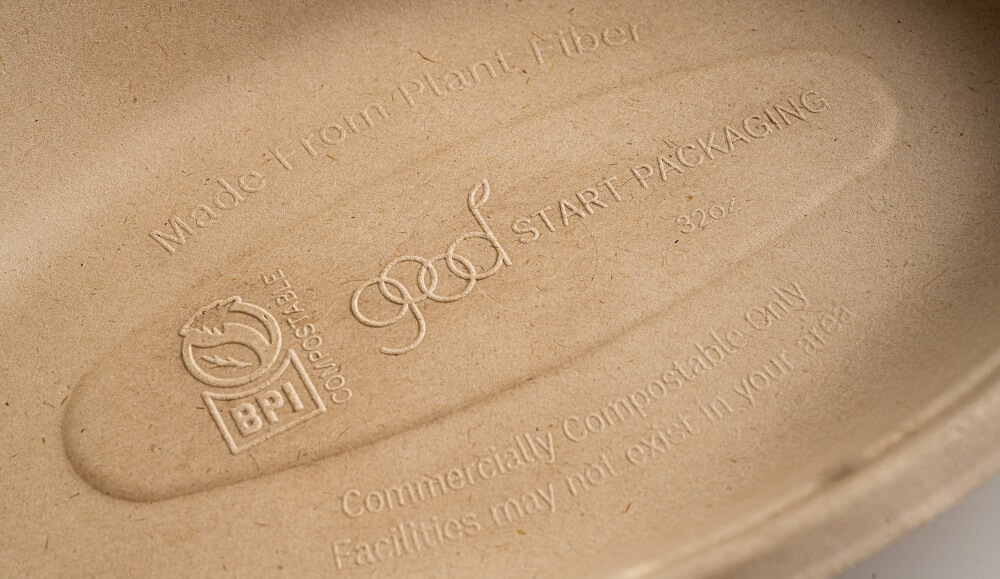
Certified compostable takeout packaging can help reduce plastic food-contact exposure, lower reliance on fossil-fuel–based materials, and clearly signal to your customers that sustainability is a priority in your business.
Look for certifications such as BPI, CMA, and NSF to confirm that your takeout packaging is designed for compostability and safe breakdown under controlled conditions.
3. Align Packaging with Waste Infrastructure
If local composting exists, transitioning to certified compostable packaging supports end-of-life recovery rather than long-term fragmentation.
At Good Start Packaging, we work with food service operators to identify compostable, food-contact-safe packaging that reduces plastic dependency while supporting operational performance.
Frequently Asked Questions
Are microplastics harmful to humans?
Research is still developing. Early studies suggest microplastics may contribute to inflammation and can carry other chemicals or pollutants, but long-term human data is still limited. Many experts recommend reducing exposure where practical, especially by limiting plastic food-contact materials.
Does microwaving plastic release microplastics?
Heat can accelerate plastic breakdown and increase the shedding of microscopic plastic particles. To reduce potential exposure, avoid microwaving food in plastic containers and use glass, ceramic, or other non-plastic alternatives when possible.
Do compostable products contain microplastics?
Certified compostable food packaging products are designed to break down into organic matter under commercial composting conditions, rather than fragment into persistent microplastics. Always verify product claims with third-party certifications such as BPI or CMA and follow local composting guidelines.
Can you completely avoid microplastics in food?
Not completely. Microplastics are widespread in the environment and have been detected in water and various foods. However, you can meaningfully reduce exposure by focusing on controllable sources like food packaging and storage, avoiding heating plastics, and replacing worn or scratched plastic items.
The Bottom Line
Microplastics in food are a complex, evolving issue. While science continues to study long-term impacts, practical action today can reduce unnecessary exposure, especially in areas we can control.
For both consumers and food service operators, the most actionable step is simple: Rethink what touches your food.